The War Imposed on Iran as a Contest Between Operational Disintegration and Strategic Non Closure

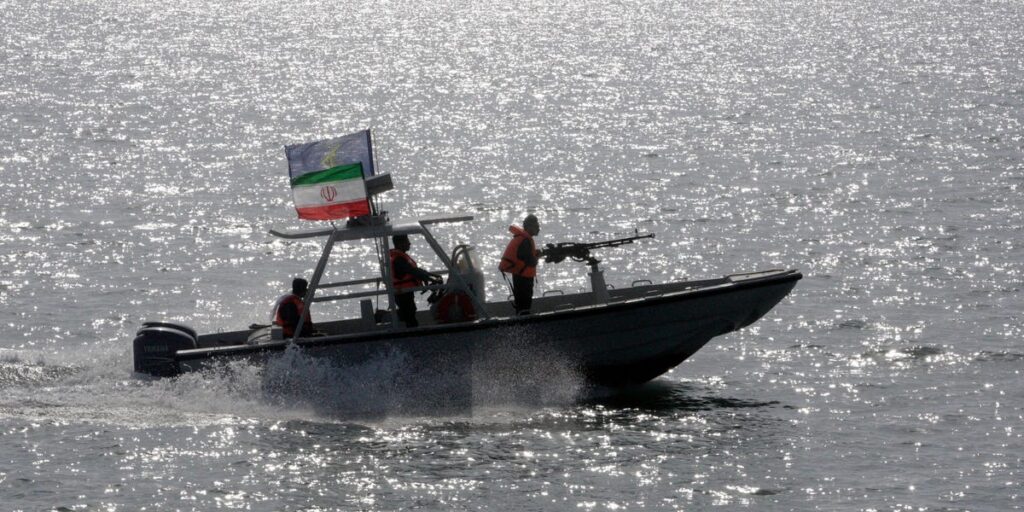
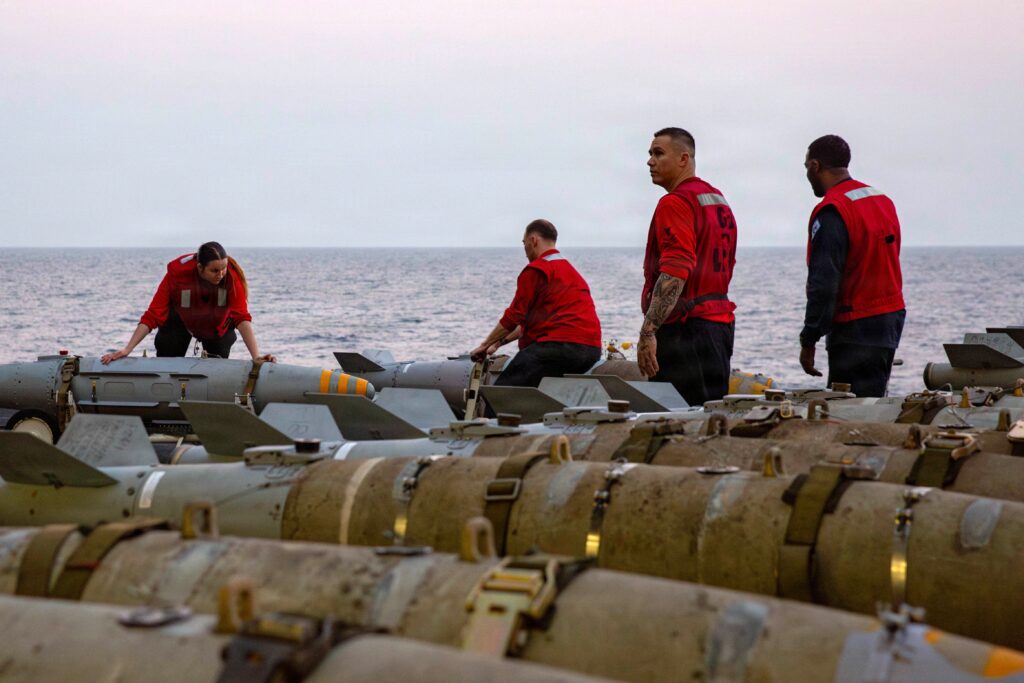
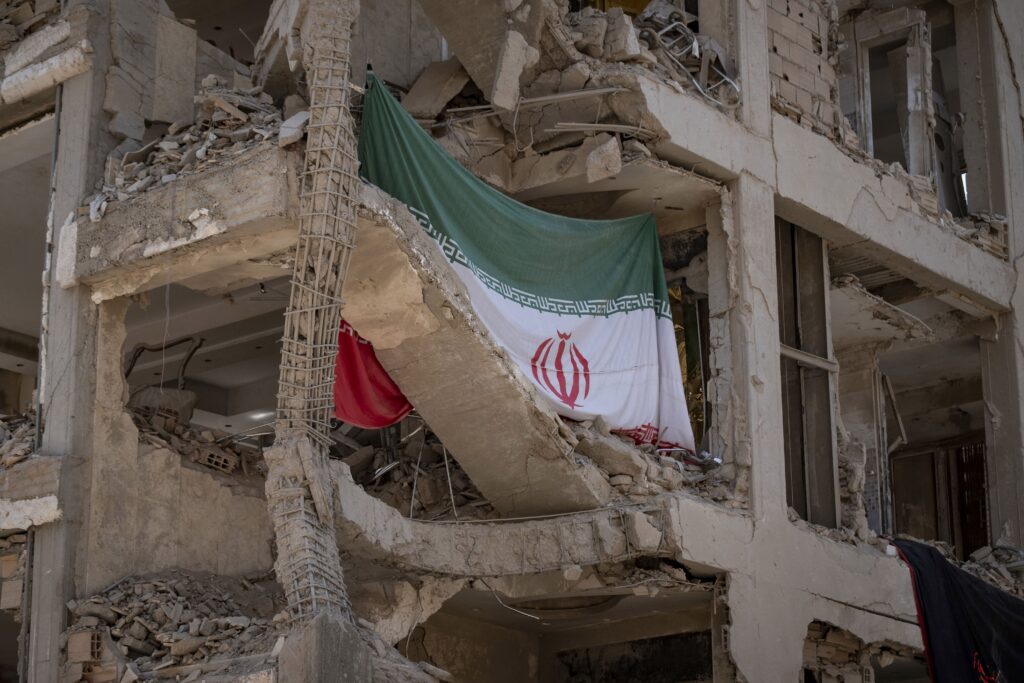
Air superiority, deep strike, and systems attack have given the coalition operational dominance, but Iran’s buried missile architecture, theater-wide punishment strategy, maritime leverage, and proxy frontage have so far denied strategic closure.

Israel’s Campaign in Lebanon and the Structural Weakening of Hezbollah

Israel’s campaign in Lebanon is not aimed at ending the conflict with Hezbollah but at exploiting a rare moment of weakness to push the group further back from its border and disrupt its ability to operate coherently. By targeting leadership, infrastructure, and forward positions at the same time, Israel is reshaping the balance along its northern front, but without resolving the conditions that allow Hezbollah to persist. What emerges is a strategy built on managing threat levels rather than eliminating them, with the risk that each round of degradation sets the stage for the next cycle of conflict.

Strait of Hormuz Legal Framework: Iran’s Rights and Revenue

The Strait of Hormuz legal framework sits at the heart of one of the most important debates in international maritime law. It balances coastal state sovereignty with global navigation rights. This article explains how Iran’s position is grounded in treaty law, customary law, and judicial precedent. It also explores how Iran can legally regulate passage and generate revenue through services, environmental enforcement, and port-based activities.

Iran’s Asymmetric Strategy: Time, Pressure, and the Limits of Attrition

Early indicators point to partial operational gains, yet they do not settle the outcome. Iran’s approach relies less on intensity than on continuity, where even limited actions can produce outsized political and economic consequences over time.

Inside the Iran Crisis: Escalation, Survival, Spillover

The Iran regional escalation is reshaping power balances across the Middle East and beyond. This in-depth analysis examines regime survival, proxy warfare, energy markets, and the global strategic consequences of widening conflict. As tensions expand across borders, the risks of systemic destabilization grow.

Middle East Escalation Reshapes Energy Markets and Global Risk Pricing

Escalating conflict in the Gulf has reintroduced a structural risk premium into oil markets. With up to 20% of global crude flows exposed, investors are rotating into energy and defense as inflation and supply shock risks resurface.

Persistent Environmental Crisis of 2026

From Ore to Influence: Building Allied Rare Earth Processing Hubs to Break China’s Midstream Grip

Climate Politics in the Age of Complex States

Strategic Non-Closure in the War on Iran

Is the market in an AI bubble?

The Fifth Industrial Front and the Contest for Power and Work

Climate Politics in the Age of Complex States

When the AI Boom Stumbles: How a Market Slide Could Reshape American Power and Asia’s Balance

The Fifth Industrial Front and the Contest for Power and Work

The War Imposed on Iran as a Contest Between Operational Disintegration and Strategic Non Closure

Who We Are

GCIRD is an independent, open-access think tank focused on global affairs and international development. We bring together scholars, practitioners, and emerging analysts from different regions to examine international issues with care, evidence, and a sense of public responsibility. Our work is shaped by collaboration across borders. By drawing on varied experiences and regional perspectives, we aim to produce research that is both analytically sound and closely connected to real-world conditions.

Receive expert insight on today’s most urgent challenges directly in your inbox.

Spotlight

Iran War and the Strait of Hormuz System Shock

March 20, 2026

Iran Strike Global Impact: Power, Energy, and Global Risk

March 3, 2026

The Pacific’s Geoeconomic Exposure to the Persian Gulf Shock

The Pacific Island countries are not insulated from the war by distance. Their heavy dependence on imported fuel, limited storage, fragile shipping links, and narrow external buffers make them acutely vulnerable to a Persian Gulf energy shock that quickly spreads into inflation, tourism stress, food costs, and debt pressure.

April 6, 2026

China’s Arctic Role in a Securitising Region

February 24, 2026

Japan’s New Mandate and Asia’s Search for Balance

February 23, 2026

The Geopolitics of Digital Vulnerability

February 19, 2026

The Spatial Roots of Global Economic Uncertainty

December 7, 2025

Explorer

Roots of Iran Israel Conflict: Historical Origins and Strategic Drivers

The roots of iran israel conflict extend far beyond 1979, grounded in post-imperial regional restructuring, revolutionary state identity, proxy warfare, and nuclear deterrence dynamics. This analysis traces the historical, ideological, and strategic foundations of the rivalry, examining how competing visions of Middle Eastern order and shifting power balances transformed pragmatic cooperation into one of the region’s most enduring antagonisms.

March 3, 2026

The Age of Tech Rule

A new constitutional order is taking shape beyond parliaments and treaties, built into chips, clouds, platforms, and AI models. Technology supremacy now functions as geopolitical high ground, while technocracy expands through defaults, standards, and hidden bottlenecks that decide what states and societies can do. This article maps how the “stack” is rewriting sovereignty, accountability, and global governance.

February 23, 2026

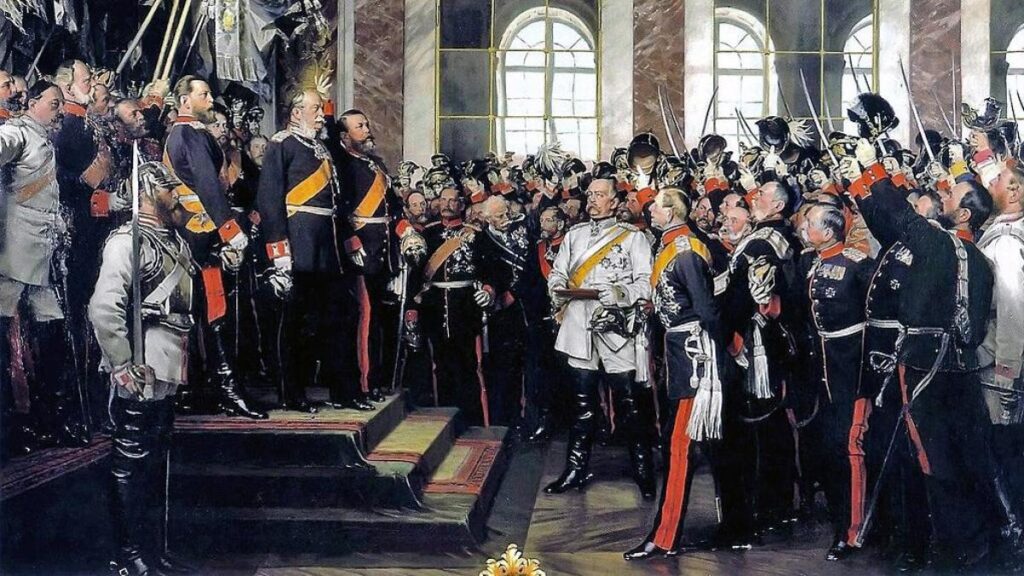
Realpolitik’s Long Arc from Bismarck’s Calculus to the Age of Geoeconomics

Realpolitik began as a nineteenth-century critique of political innocence, insisting that durable outcomes depend on power, institutions, and timing rather than moral proclamation. Over time it moved from Bismarckian state-building to Cold War management under nuclear constraint, then receded during the post–Cold War moment before returning in a world where interdependence itself became leverage. Today, Realpolitik is shaped as much by supply chains, technology standards, and energy security as by borders and armies, while ideology and domestic legitimacy operate as strategic forces. Its central demand remains disciplined judgment: limited aims, credible means, and a sober accounting of trade-offs.

February 23, 2026

Brazil’s Growth Trap Before the 2026 Vote

February 24, 2026

The Domestic Weaponization of the American State and the Strategic Costs of Political Fear

February 23, 2026

Diplomacy Is The Greatest Form of Power

February 19, 2026

The Strategic Unraveling of the Global Commons: Space–Maritime Entanglement in 2025

December 7, 2025

Trump’s Venezuela Escalation Toward Coercive Diplomacy and Regime Change

November 23, 2025

Trump 2.0 and India in a Contest of Trade and Power

November 23, 2025

About GCIRD

GCIRD is an independent, digital-first think tank dedicated to rigorous, open-access research on international relations and global development. We connect diverse regions, generations, and disciplines to strengthen informed debate and support responsible global policy.

Topics
Regions