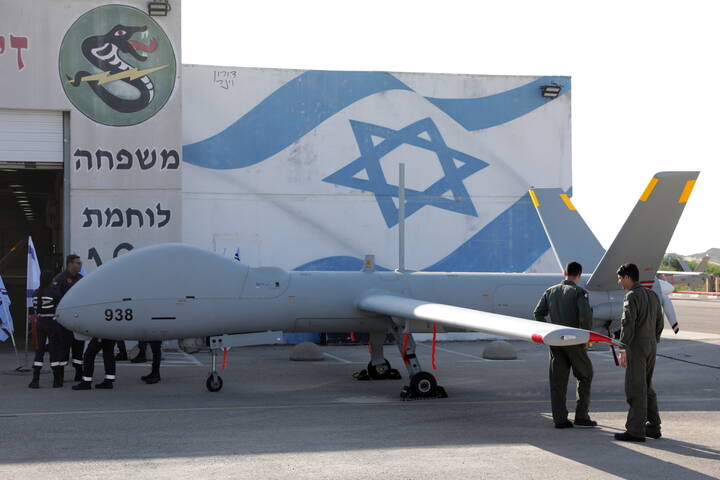
A coordinated US–Israel strike campaign against Iranian targets, followed by retaliatory action across Gulf energy and transport infrastructure, has triggered the sharpest geopolitical repricing in energy markets since the early phase of the Russia–Ukraine war. The immediate market response, double-digit intraday gains in crude benchmarks, strength in gold and the dollar, and sectoral rotation inside equities, reflects not only headline risk but renewed concern over physical supply flows through the world’s most sensitive maritime chokepoint: the Strait of Hormuz.
The situation remains fluid. What is clear is that the conflict has moved from symbolic escalation to infrastructure exposure, and markets are now discounting tangible disruption risk rather than rhetorical tension.
The Physical Constraint: Hormuz
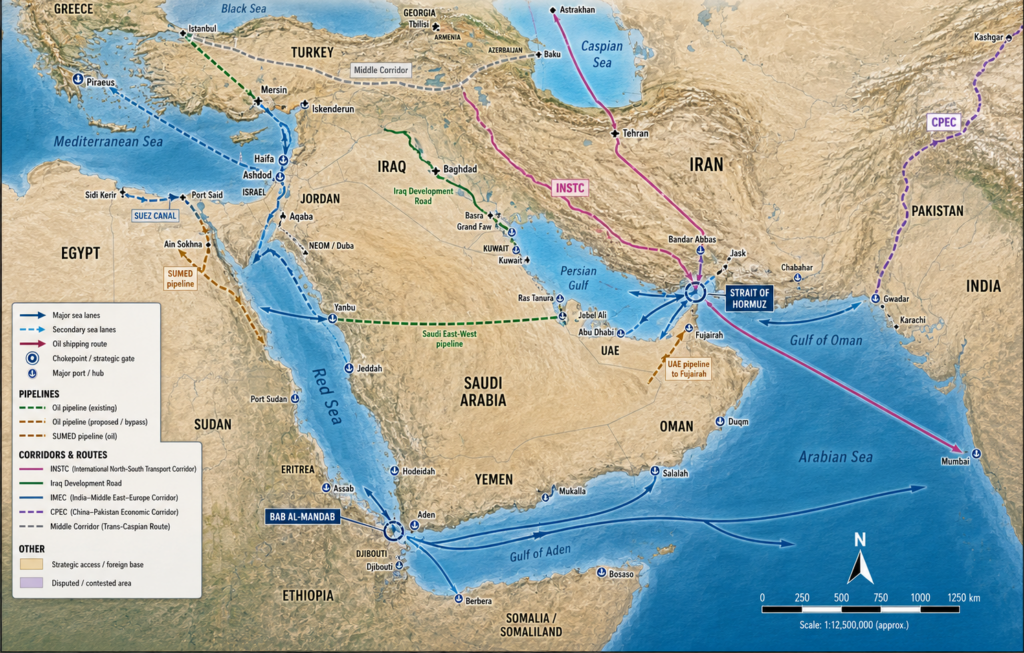
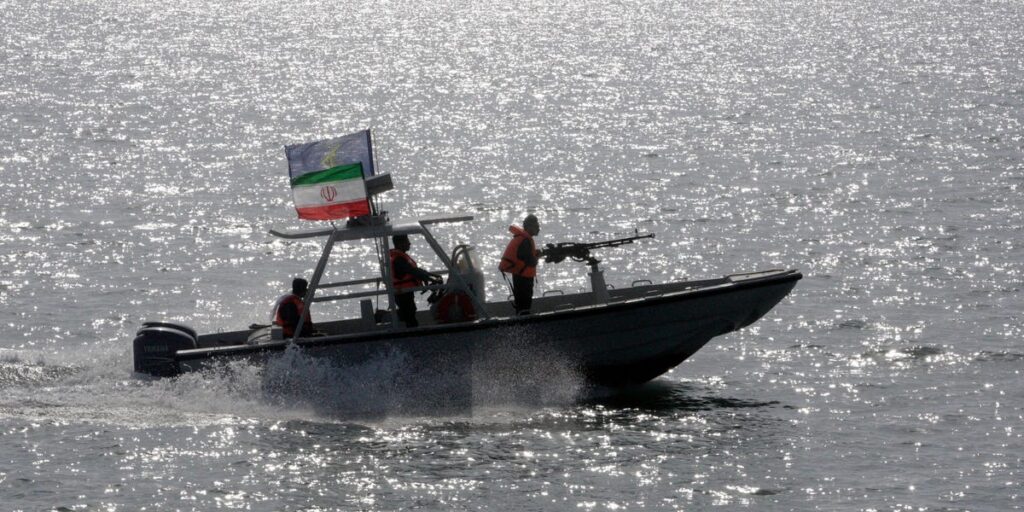
Roughly one-fifth of globally traded crude and condensate passes daily through the Strait. The corridor is narrow, heavily surveilled, and structurally vulnerable to asymmetric tactics—mines, drones, missile harassment, insurance shocks. Even limited interference can slow throughput without a formal blockade.

Analysts estimate that diversion capacity through alternative regional pipelines may absorb between five and seven million barrels per day under strain scenarios. That leaves a residual exposure potentially exceeding eight million barrels per day in a severe disruption case. Markets do not need a full closure to reprice; they require only uncertainty over reliability.

Iran has historically avoided complete closure for economic and strategic reasons. A sustained shutdown would undermine its own export revenue and likely invite overwhelming military escalation. However, calibrated interference, enough to raise freight premiums and slow transit, fits within Iran’s established playbook.
Oil Markets: Risk Premium Reintroduced
The surge in Brent Crude Oil Futures and West Texas Intermediate Crude Oil Futures reflects two components:
- Immediate risk premium tied to shipping security
- Optionality pricing for escalation scenarios
The forward curve has tightened, suggesting near-term supply anxiety rather than long-dated structural shortage. Backwardation steepening indicates traders are paying up for prompt barrels while assuming medium-term normalization remains plausible.
Inventory positioning becomes central. Strategic petroleum reserves, particularly in the United States and China, offer political leverage but limited long-term offset if disruption persists beyond several weeks.
At current levels, markets are discounting disruption without full systemic impairment. A move toward $100 Brent would imply growing conviction that exports are materially constrained rather than merely threatened.
Currency and Safe-Haven Flows
Strength in the US Dollar Index underscores liquidity preference during geopolitical stress. Dollar funding markets remain stable; there is no indication yet of systemic financial strain. The rise in Gold Futures reflects precautionary positioning rather than panic accumulation.
Crypto weakness suggests the market still views digital assets as liquidity-sensitive risk proxies rather than crisis hedges.
Equity Market Rotation: Sectoral Divergence
Equity markets have responded in a manner consistent with energy shock episodes.
-Energy Producers
Integrated majors and upstream operators rallied, including:
- Exxon Mobil
- Chevron Corporation
- Equinor
- Repsol
Higher realized prices directly enhance upstream cash flow. For US producers, balance sheets are materially stronger than in previous cycles, and capital discipline remains intact. Equity performance reflects margin expansion rather than volume growth expectations.
Refiners such as Marathon Petroleum and Valero Energy face more complex dynamics. Rapid crude appreciation can compress crack spreads if product prices lag input costs.
Shipping and tanker firms may benefit from elevated freight rates and war-risk premiums, although operational risk also rises.
-Defense Contractors
Shares of Lockheed Martin, Northrop Grumman, and RTX Corporation advanced as investors factored in increased procurement demand.
This rally builds on an already elevated baseline following several years of rising global defense budgets. Missile defense systems, precision munitions replenishment, and surveillance technologies are likely focal points if Gulf tensions persist.
Unlike short-lived event spikes, defense outperformance tends to be durable when budgetary commitments adjust structurally.
-Travel and Tourism
Airlines and cruise operators sold off sharply:
- Delta Air Lines
- American Airlines Group
- Carnival Corporation
- Royal Caribbean Group
Fuel constitutes a significant share of airline operating expense. Hedging coverage varies by carrier, but sustained oil above current levels would pressure margins into peak travel season. Airspace rerouting over conflict zones adds operational cost and scheduling strain.
Cruise and hospitality operators face softer demand expectations if geopolitical anxiety affects discretionary travel sentiment.
Macroeconomic Transmission
Oil remains embedded in core economic systems through transport, petrochemicals, agriculture, and logistics. Sustained crude appreciation above $90–100 would likely:
- Reaccelerate headline inflation in advanced economies
- Complicate central bank easing trajectories
- Pressure energy-importing emerging markets
- Weaken consumer purchasing power
The inflation impulse would be supply-driven rather than demand-led, limiting the efficacy of monetary responses. Policymakers would face trade-offs between growth support and price stability.
Political Variables
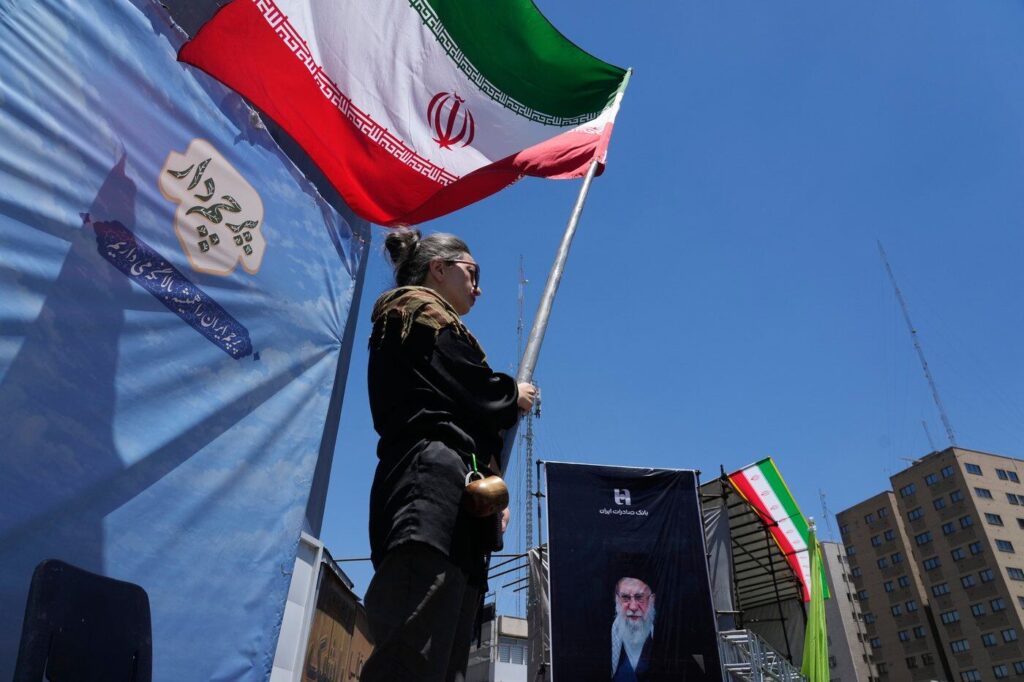
Reports of the death of Ali Khamenei introduce uncertainty into Iran’s internal power structure. Succession dynamics within the clerical establishment and the Islamic Revolutionary Guard Corps could influence escalation patterns.
A leadership vacuum may increase unpredictability in the short term. However, institutional continuity mechanisms in Iran are structured to avoid rapid fragmentation. The external posture may harden temporarily as domestic consolidation occurs.
Regional actors, Saudi Arabia, the UAE, Israel, will calibrate responses carefully. None benefit from prolonged energy disruption, but deterrence signaling remains central.
Scenario Assessment
Three broad paths are visible:
- Managed Escalation: Intermittent disruption, elevated insurance premiums, oil stabilizes below $95.
- Sustained Interference: Material export slowdown, Brent tests $100–120, equity volatility deepens.
- Severe Maritime Impairment: Partial blockage or repeated tanker damage, oil spikes above $130, global growth outlook deteriorates sharply.
Markets currently price the first two scenarios with greater weight than the third.
Strategic Outlook
The repricing underway reflects structural vulnerability rather than temporary headline sensitivity. The global energy system remains geographically concentrated, and the Gulf continues to function as a single-point failure node for oil flows.
Absent rapid diplomatic stabilization, a geopolitical floor under oil prices is likely to persist even if outright supply loss is avoided. Equity leadership may remain concentrated in energy and defense while travel, transport, and high-multiple growth sectors face pressure from cost and discount-rate dynamics.
| Scenario | Oil Range | Equity Impact | Probability |
|---|---|---|---|
| Contained strikes | $80–90 | Volatile but stable | 35% |
| Sustained tanker disruption | $95–120 | Global selloff | 40% |
| Partial Hormuz blockade | $130–150 | Severe correction | 20% |
| Rapid diplomatic de-escalation | $75–80 | Relief rally | 5% |
The decisive indicators over the coming days will not be rhetoric but physical metrics: tanker throughput, freight insurance rates, satellite-tracked export volumes, and emergency coordination among major producers.
Markets have moved quickly, but not yet to extremes. The next phase depends on whether disruption proves episodic or structural.