In moments of instability, governments default to two instincts: escalation or abstraction. They either lean on force or retreat into legal frameworks and declarations. Both have their place. Neither substitutes for strategy. Diplomacy is the mechanism that turns power into order. War can alter facts on the ground. Law can codify arrangements. Diplomacy determines which arrangements are possible, sustainable, and advantageous. It aligns means with ends. Without it, strength becomes episodic and reactive.
Strategy Begins With Hierarchy
The first function of diplomacy is discrimination. Not every rivalry is existential. Not every crisis demands maximal response.
States decline when they fail to rank threats. They waste resources confronting secondary problems while primary competitors consolidate influence elsewhere. Effective diplomacy imposes hierarchy on chaos. It identifies the main adversary, the necessary partners, and the negotiable fronts.
This often requires uncomfortable adjustments. Alliances shift. Former adversaries become tactical partners. Secondary disputes are shelved to concentrate on systemic competition. Strategic maturity is measured by the ability to reorder priorities without public theatrics.
Compensation for Structural Weakness
Diplomacy is most vital when material power is constrained. Middle powers, geographically exposed states, and fiscally limited governments rarely win prolonged contests of attrition. Their advantage lies in coalition design, sequencing, and institutional positioning. They can internationalize disputes, divide opposing blocs, or embed themselves in economic and security networks that deter isolation.
Even major powers rely on diplomatic compensation. Military superiority without coalition legitimacy breeds counterbalancing. History shows that concentrated power invites alignment against it. Diplomacy manages that risk by reassuring partners while isolating adversaries.
Institutions as Strategic Instruments
Modern foreign ministries often drift toward bureaucratic expansion rather than strategic focus. Task forces multiply. Agendas broaden. Symbolic initiatives crowd out prioritization.
Yet the core function remains constant: protect strategic space.
Effective diplomatic institutions maintain three disciplines:
- Clear articulation of national interest.
- Continuous assessment of relative power.
- Alignment with executive strategy without surrendering analytical integrity.
When diplomacy becomes detached from strategy, it produces process without direction. When it becomes subordinate to ideology, it produces rigidity. In both cases, leverage declines.
Deterrence and Diplomacy
There is a persistent error in contemporary debate: the assumption that deterrence and diplomacy are alternatives. They are complements.
Deterrence establishes credibility. Diplomacy translates credibility into structured advantage.
Military signaling without diplomatic channels increases miscalculation. Diplomatic engagement without credible leverage invites exploitation. Stable competition requires both.
In great power rivalry, the objective is rarely outright defeat. It is constraint. Constraint is achieved through coalition density, economic interdependence management, technology controls, and calibrated engagement. None of these tools function without sustained diplomatic architecture.
Managing Escalation
The most dangerous failures in international politics are not deliberate wars. They are unmanaged escalations.
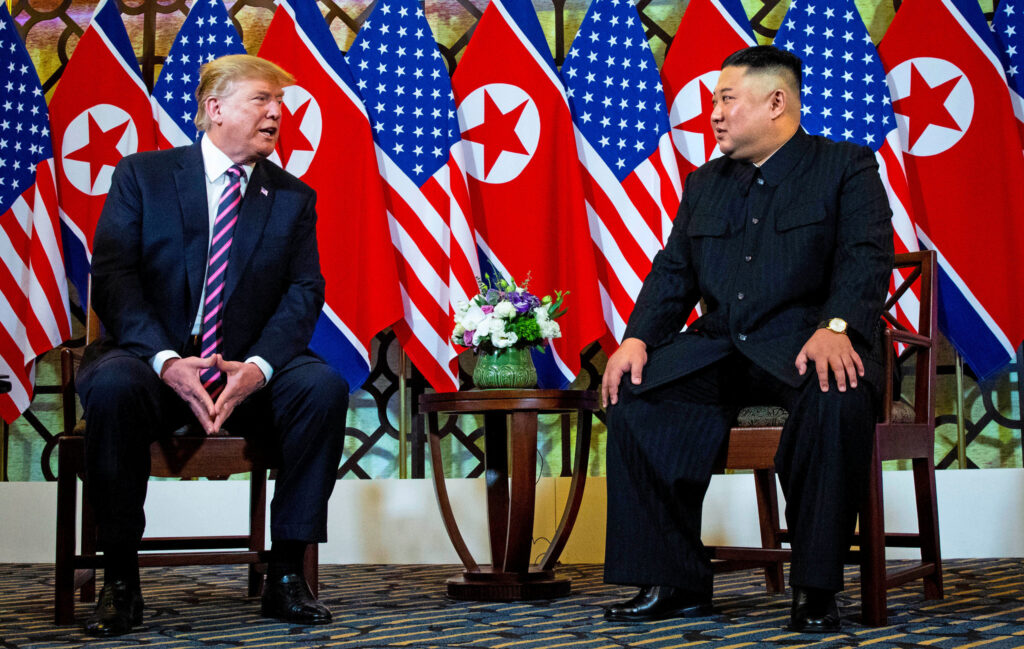
Diplomacy creates buffers. It establishes communication channels, deconfliction mechanisms, and crisis frameworks that prevent tactical incidents from becoming strategic disasters. Even adversarial dialogue can stabilize competition.
Restraint, in this context, is not concession. It is risk management. Strategic actors preserve flexibility and avoid binding commitments that narrow options prematurely.
The Contemporary Context
Today’s environment is defined by multipolar diffusion, technological rivalry, fragmented supply chains, and regional flashpoints. Power is more distributed. Alignment is more fluid. Information accelerates misperception.
This increases, rather than reduces, the importance of disciplined diplomacy.
Coalitions must be maintained, not assumed. Economic statecraft must be coordinated, not improvised. Sanctions require multilateral legitimacy to remain effective. Strategic competition unfolds simultaneously across military, financial, technological, and normative domains.
Diplomacy is the connective tissue across these arenas.
Grand strategy is not improvised in crises. It is constructed over time through alignment, adjustment, and restraint.
Military force remains essential. Legal frameworks remain useful. But neither substitutes for the continuous work of shaping the strategic environment.
Diplomacy is not weakness. It is the management of power under conditions of uncertainty.
States that neglect it do not become stronger. They become reactive.
In an era of renewed rivalry, the disciplined practice of diplomacy is not optional. It is the central instrument of serious statecraft.