How the Islamic Republic of Iran is preserving sovereign choice during wars
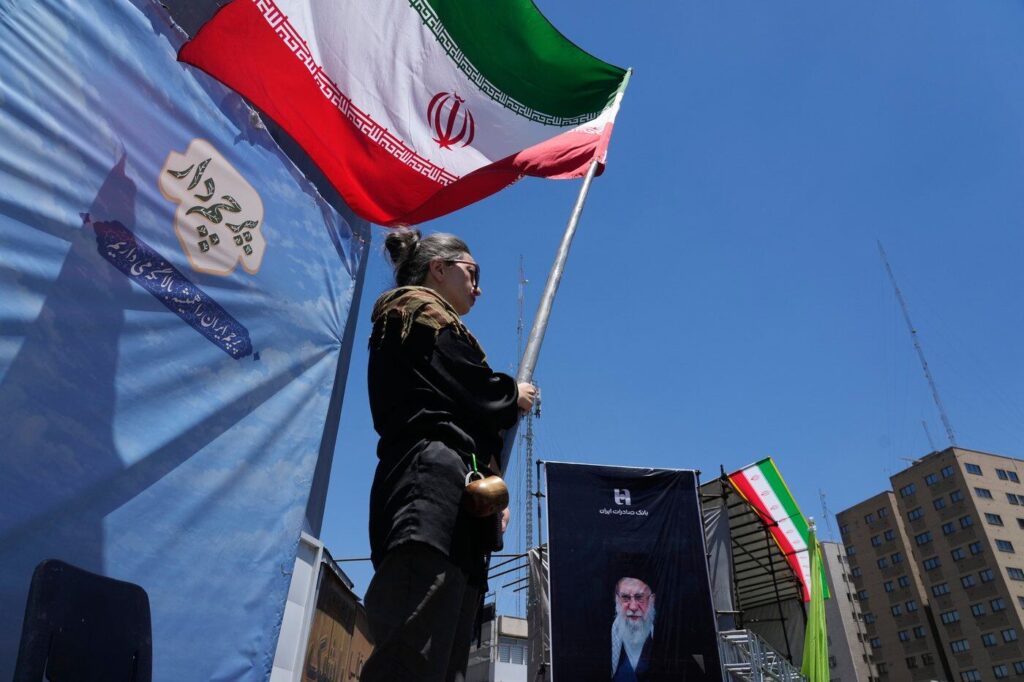
Iran survived forty days of war because its power does not rest on any single leader, weapon or institution. Its strength comes from the interaction of political continuity, industrial depth, social mobilisation, territorial scale, sanctions adaptation and the ability to shift pressure into the Gulf. The conflict damaged Iran, but failed to deprive it of sovereign choice.
The Battery Supply Chain as a New Geopolitical Battleground
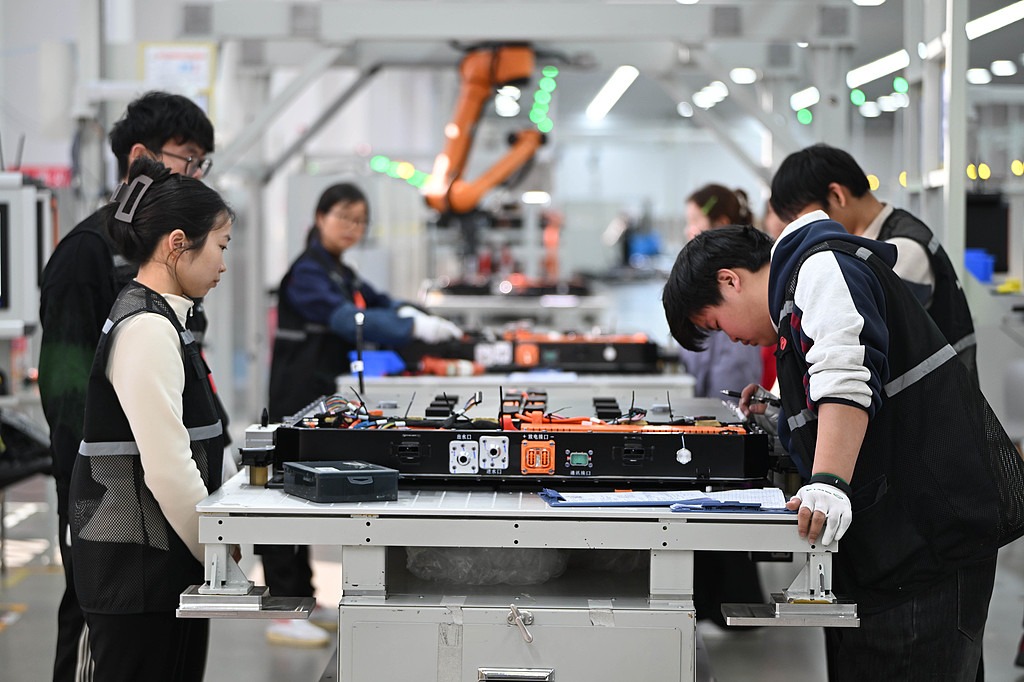
China’s battery power rests less on lithium mines than on its control of refining, active materials, production machinery, factory knowledge and storage systems. The struggle now concerns which countries can keep essential industries, electricity grids and military systems operating when supply chains are disrupted.
The Aras Order: Azerbaijan, Israel and the Campaign to Bypass Iran in the South Caucasus

Iran helped keep Azerbaijan territorially viable during its weakest years, supplying Nakhchivan, assisting displaced civilians and preserving routes across the Aras. Baku later used oil wealth, Israeli weapons and Western-backed corridors to reduce that dependence. The struggle over southern Armenia now concerns more than transport: it will determine whether Iran remains a Caucasus power or becomes a frontier excluded from the region’s emerging order.
Bougainville, New Caledonia and the Coming Struggle for Pacific Statehood

Bougainville and New Caledonia are usually treated as separate constitutional disputes. Together, they show how the Pacific’s political map may be reshaped through mining contracts, fiscal dependence and contested paths to sovereignty. The powers that finance these transitions may gain influence long before any new state is formally recognised.
Russia’s long-range campaign against Ukraine’s national systems
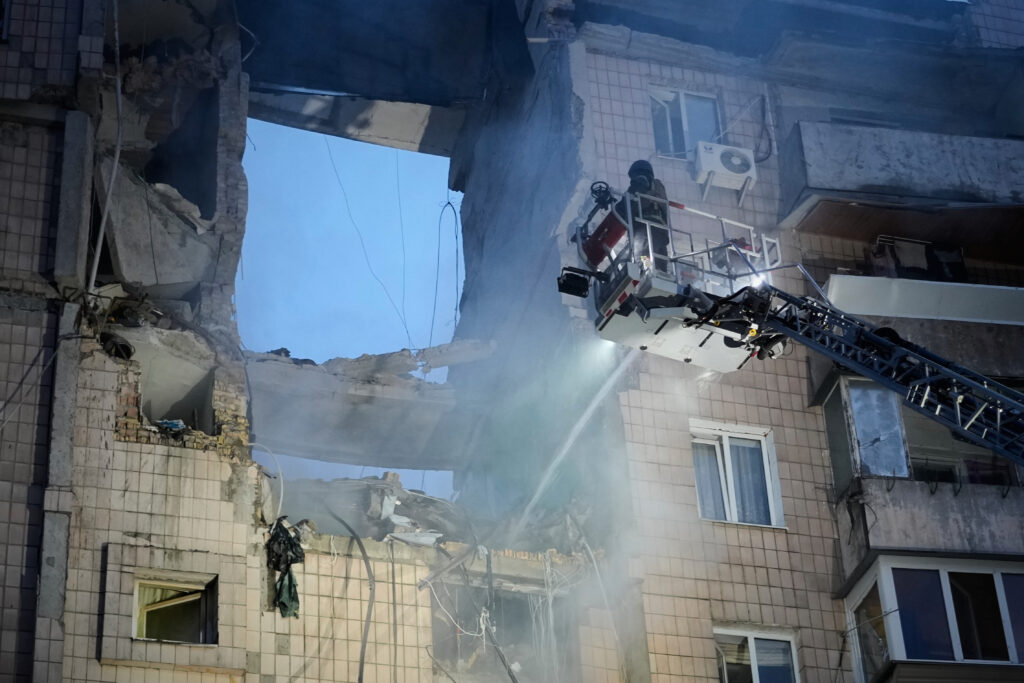
Russia’s expanding missile and drone campaign is aimed at more than physical destruction. By repeatedly striking Ukraine’s power grid, railways, ports and urban infrastructure, Moscow is trying to exhaust repair capacity, drain air-defence resources and raise the economic cost of resistance. Ukraine’s response has turned the war into a contest of adaptation, replacement and endurance.
China’s submarine missile test and the struggle over Pacific security
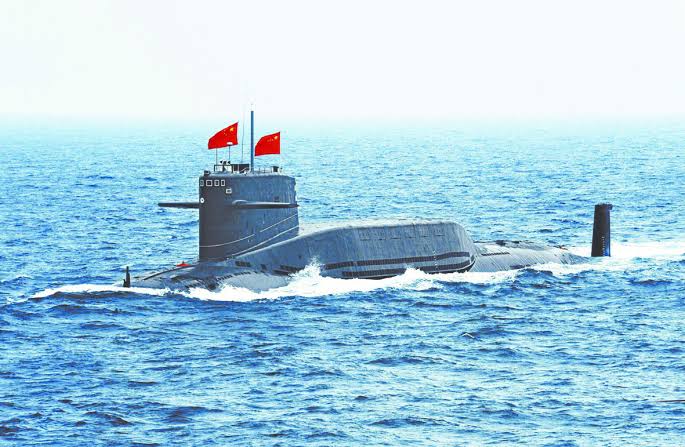
China’s submarine-launched ballistic missile test exposed how quickly nuclear modernisation, alliance politics and Pacific security are becoming connected. The launch showed progress in Beijing’s sea-based deterrent while raising fresh questions about warning procedures, regional trust and the military role of Australia and its partners.