China’s Carbon Statecraft and the Reordering of Global Industrial Power
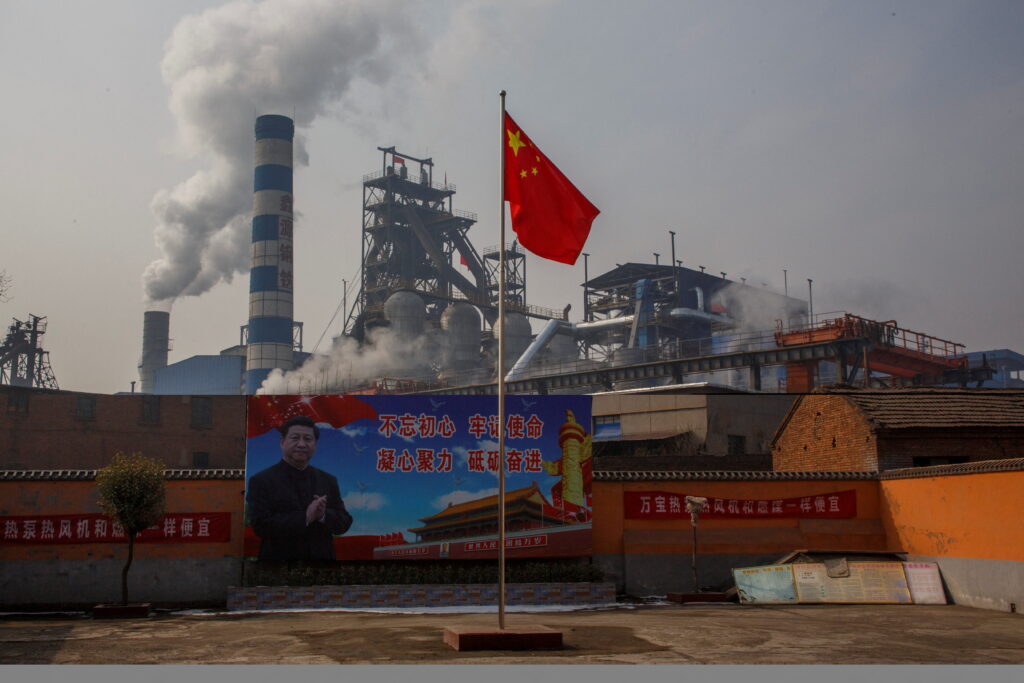
China is integrating carbon governance into a wider strategy of industrial upgrading, energy security, technological autonomy and international rule-shaping. Its response to Europe’s carbon border regime reveals how Beijing intends to preserve manufacturing primacy while building the standards, data systems and low-carbon production networks that will define the next phase of global economic competition.
Iran’s Military Reconstitution and the Political Economy of Strategic Endurance
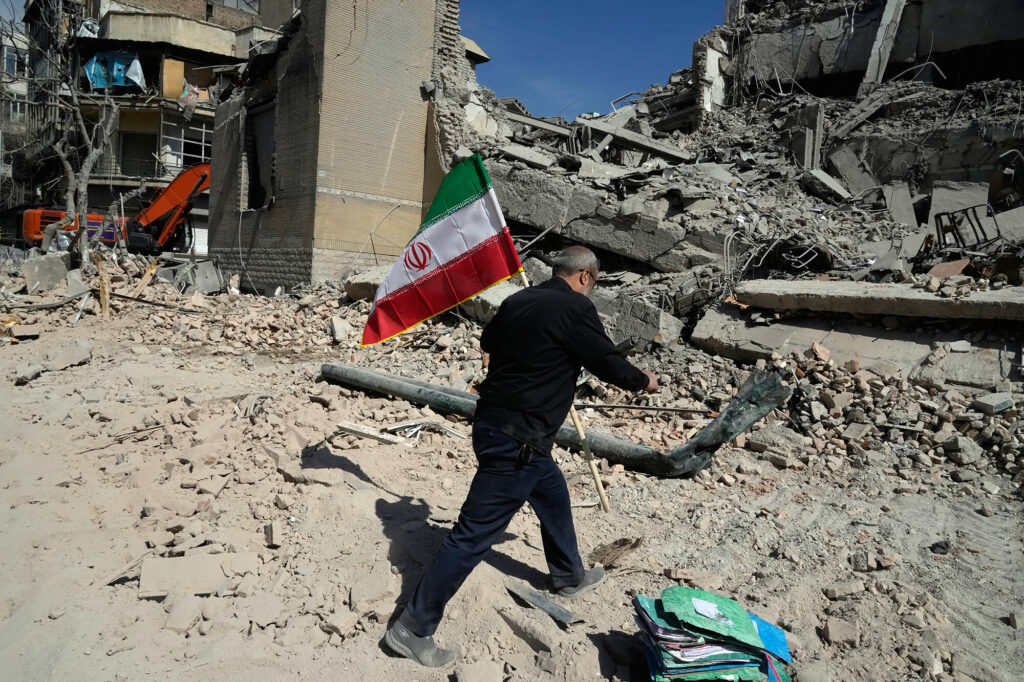
Iran’s postwar military recovery will be shaped by industrial resilience, dispersed production, asymmetric force design and carefully managed external partnerships. Tehran is likely to prioritise missiles, drones, air defence, electronic warfare and maritime-denial capabilities while rebuilding the infrastructure and supply networks required to sustain them under continuing economic and military pressure.
The Reorganization of American Military Power for an Age of Industrialized Warfare

The Pentagon’s emerging force design extends far beyond drones. It links autonomous systems, long-range munitions, missile defence, space architectures, contested logistics, nuclear modernization and industrial policy into a broader effort to sustain American combat power during prolonged great-power war. Its success will depend on production capacity, interoperability, resilient command and the conversion of unprecedented budgets into usable operational endurance.
The Pentagon’s 300,000-Drone Competition Is an Experiment in Industrialized Attrition
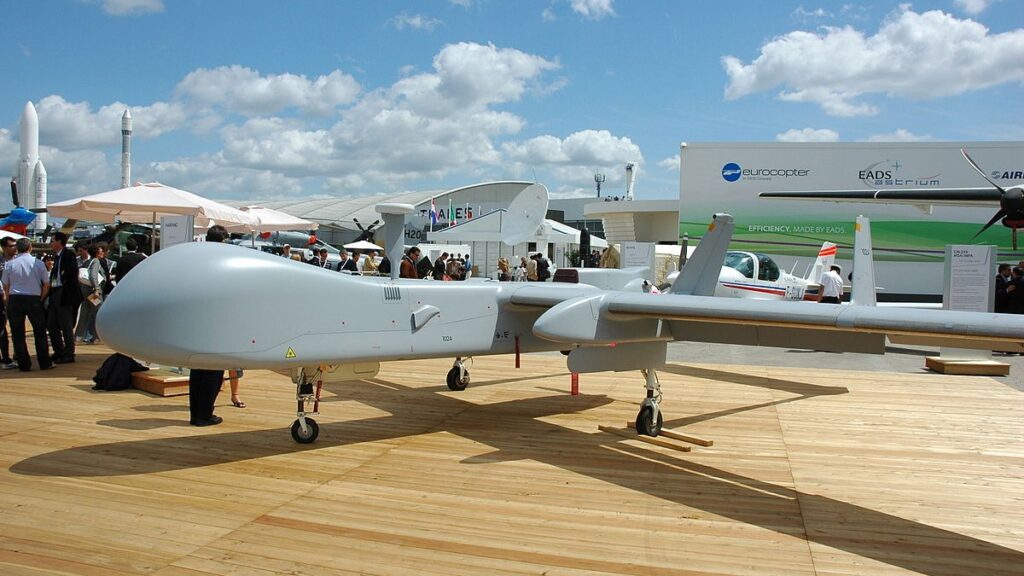
The Pentagon’s plan to acquire roughly 300,000 small attack drones should be understood as an attempt to construct a new military production system rather than as an unusually large aircraft purchase. Through the $1.1 billion Drone Dominance Program, the Department of War is using recurring field competitions, fixed-price production orders and increasingly restrictive supply-chain rules […]
Critical Raw Materials and Transatlantic Industrial Competition

Critical raw materials have become a central instrument of industrial power, defence preparedness and geopolitical leverage. This paper examines how the European Union and the United States are reorganising mineral supply chains through public finance, strategic partnerships, processing capacity and market intervention, while competing for the same projects, producers and external suppliers. It argues that Europe’s regulatory architecture remains more developed than its capacity to convert strategic priorities into bankable production.
Mossad and the Reconstitution of Israeli Grand Strategy

Mossad’s transition under Roman Gofman reflects a wider transformation in Israeli grand strategy, in which intelligence, covert action, political warfare and technological dominance are increasingly integrated into a permanent regional campaign. The central question is whether this expanded doctrine can translate operational superiority into a stable political order, or whether it will deepen Israel’s dependence on continuous disruption, escalating expenditure and open-ended confrontation with Iran and the wider resistance network.
The Draghi Agenda and Europe’s Shrinking Margin for Delay

Legal implementation has advanced since 2024, but Europe’s economic position will continue to deteriorate unless governments accept the financial, institutional and political consequences of genuine integration.
The Strategic Logic and Political Limits of Trump’s Foreign Policy
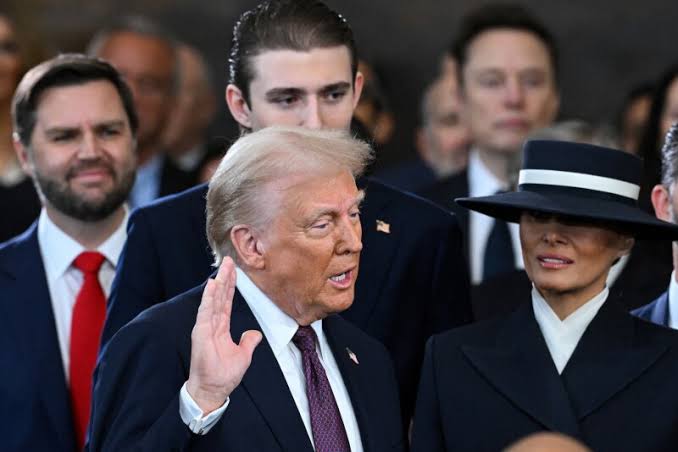
Trump has imposed a clearer hierarchy on American commitments, although his reliance on coercion and personal diplomacy often works against the consolidation his administration claims to be pursuing.