The reaction across African governments to the Iran war has been described as muted, but that description misses what is actually happening. The absence of strong public alignment is not hesitation or indecision. It is the result of a set of constraints that leave very little room for open positioning. The conflict is already affecting core economic systems that many African states depend on, and those effects are immediate enough that governments are responding through caution rather than declaration. What appears externally as silence is closer to a deliberate attempt to avoid making a situation worse that is already moving beyond their control.
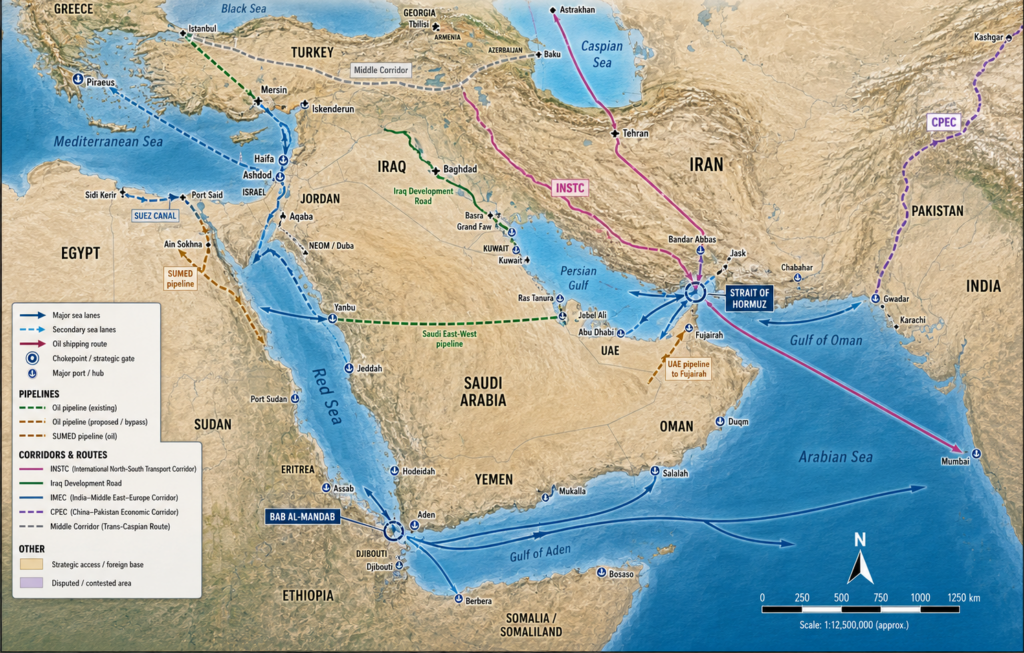
The most direct pressure comes from energy. A large number of African economies are structurally dependent on imported fuel, often with limited diversification in supply routes. When traffic through the Strait of Hormuz slowed following targeted attacks and rising insurance costs, the effect was transmitted quickly through shipping markets into import prices. The increase was not gradual. Freight risk premiums rose sharply, tanker availability tightened, and contracts became more expensive or uncertain. For countries with weak currencies and limited fiscal space, this translated almost immediately into higher domestic fuel costs. The political implications of this are well understood by governments across the continent, because similar dynamics have played out before. Energy price spikes do not remain confined to transport or industry; they move through the entire economy, raising food prices, increasing the cost of basic goods, and putting pressure on already fragile public finances.
The second layer of pressure is less visible but more difficult to manage. Fertilizer supply has tightened as a result of disruptions in Gulf-based production and shipping. This matters because agriculture in many African countries is highly sensitive to fertilizer availability and price. A significant portion of fertilizer imports depends on supply chains that run through or are linked to the Gulf. When those chains are disrupted, prices rise quickly, but the consequences are delayed. Farmers adjust by reducing usage or absorbing higher costs, which then affects yields in the following season. Governments are acutely aware of this lag. The immediate shock appears in fuel prices, but the deeper impact emerges months later in the form of reduced harvests and higher food prices. That delayed effect makes the situation more difficult to manage politically, because it extends the consequences of the conflict well beyond its immediate timeframe.
These pressures interact with a third constraint, which is the structure of external partnerships. Most African states are not aligned exclusively with any single external power. Instead, they operate within a network of overlapping relationships that include Western countries, Gulf states, China, and to a lesser extent Iran. Each of these relationships carries material benefits, whether in the form of investment, trade, security cooperation, or financial support. Taking a clear position in the Iran war risks disrupting that balance. Aligning against Iran may complicate existing diplomatic or security ties. Aligning with Iran risks damaging relationships with partners that are economically more significant. In practice, this leaves little room for open alignment in either direction. The safest position is to remain formally neutral while managing the practical consequences of the conflict.
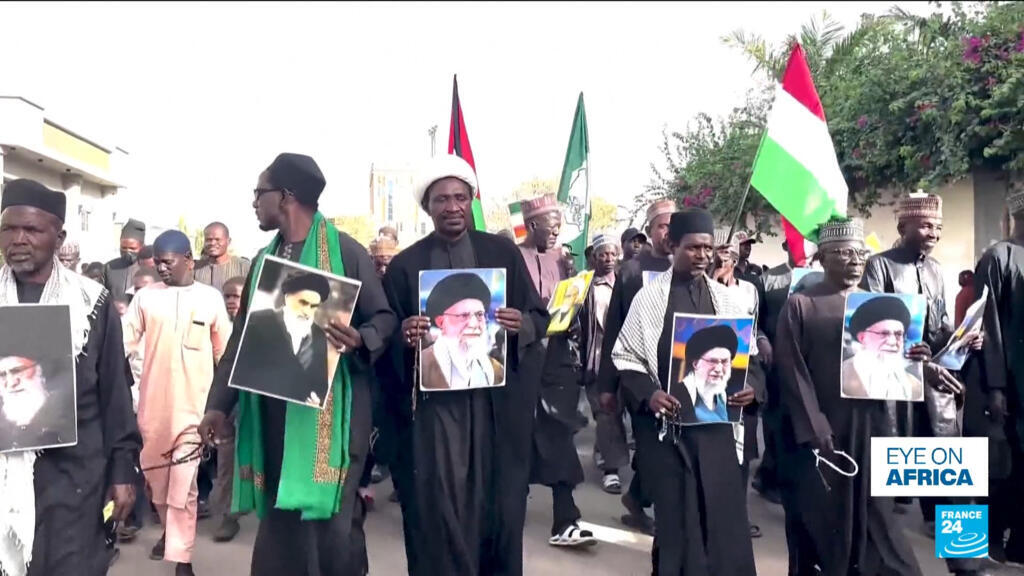
Iran’s own engagement in Africa has not been strong enough to change this calculation. While Tehran has invested in building relationships across parts of the continent, including through military cooperation and ideological outreach, those relationships have remained limited in scope compared to the broader network of partnerships that African states maintain. In some cases, Iran’s involvement has also generated suspicion, particularly where it has been linked to religious influence or proxy activity. This has meant that even in countries where Iran has established a presence, that presence does not translate into political support when the cost of that support becomes tangible. The current conflict has made those limits visible. Influence built on selective engagement does not necessarily hold when economic pressure is applied.
At the same time, the broader international response to the conflict has reinforced the incentives for caution. Efforts to organize a coordinated response have produced uneven results, with major powers acting according to their own priorities rather than forming a unified approach. For African governments, this confirms a pattern that has become increasingly clear in recent years. Global crises no longer generate predictable forms of collective action. Instead, they expose differences in interest and capacity among larger powers. In that environment, smaller or more exposed states have little reason to take on additional risk. If the actors with the greatest resources are not fully aligned, there is no clear benefit in moving ahead of them.
What emerges from this is a position that is less passive than it appears. African governments are not ignoring the conflict. They are adjusting to it in ways that reflect their immediate constraints. They are managing fuel costs through subsidies or pricing adjustments, seeking alternative supply arrangements where possible, and preparing for the secondary effects on agriculture. At the same time, they are maintaining diplomatic flexibility, avoiding commitments that could limit their options as the situation evolves. This approach does not resolve the underlying pressures, but it allows governments to navigate them without introducing additional risks.
The longer the disruption continues, however, the more difficult this position will become to maintain. Economic pressures have a way of narrowing the space for neutrality. If fuel costs remain elevated and fertilizer shortages begin to affect food production, governments will face increasing pressure to act more decisively, whether through economic measures, diplomatic alignment, or both. At that point, the balance that currently sustains neutrality may begin to shift.
For now, the response across Africa reflects a clear understanding of the situation. The Iran war is not a distant conflict. It is already shaping domestic economic conditions through channels that are difficult to control and expensive to absorb. In that context, silence is not a lack of position. It is a way of holding that position in place while the costs of the conflict continue to unfold.