Israel’s Campaign in Lebanon and the Structural Weakening of Hezbollah

Israel’s campaign in Lebanon is not aimed at ending the conflict with Hezbollah but at exploiting a rare moment of weakness to push the group further back from its border and disrupt its ability to operate coherently. By targeting leadership, infrastructure, and forward positions at the same time, Israel is reshaping the balance along its northern front, but without resolving the conditions that allow Hezbollah to persist. What emerges is a strategy built on managing threat levels rather than eliminating them, with the risk that each round of degradation sets the stage for the next cycle of conflict.
Africa’s Strategic Neutrality Under Energy Shock
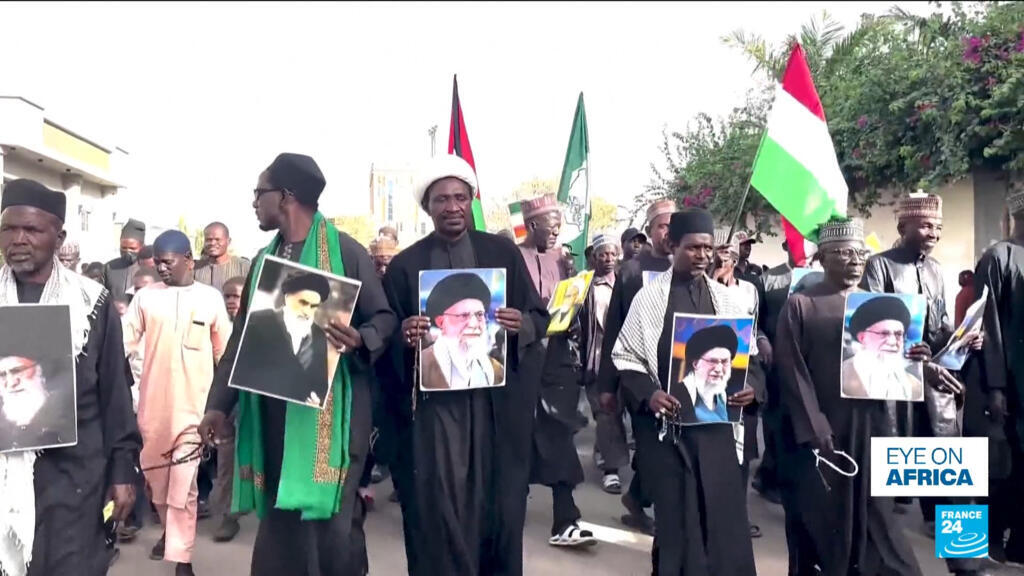
The Iran war Africa dynamic is not defined by diplomacy but by exposure. Disruptions in fuel and fertilizer flows linked to the Strait of Hormuz are already feeding into prices, supply constraints, and political pressure across the continent. What appears as neutrality is a calculated response to economic risk rather than a lack of position.
Iran War and the Strait of Hormuz System Shock
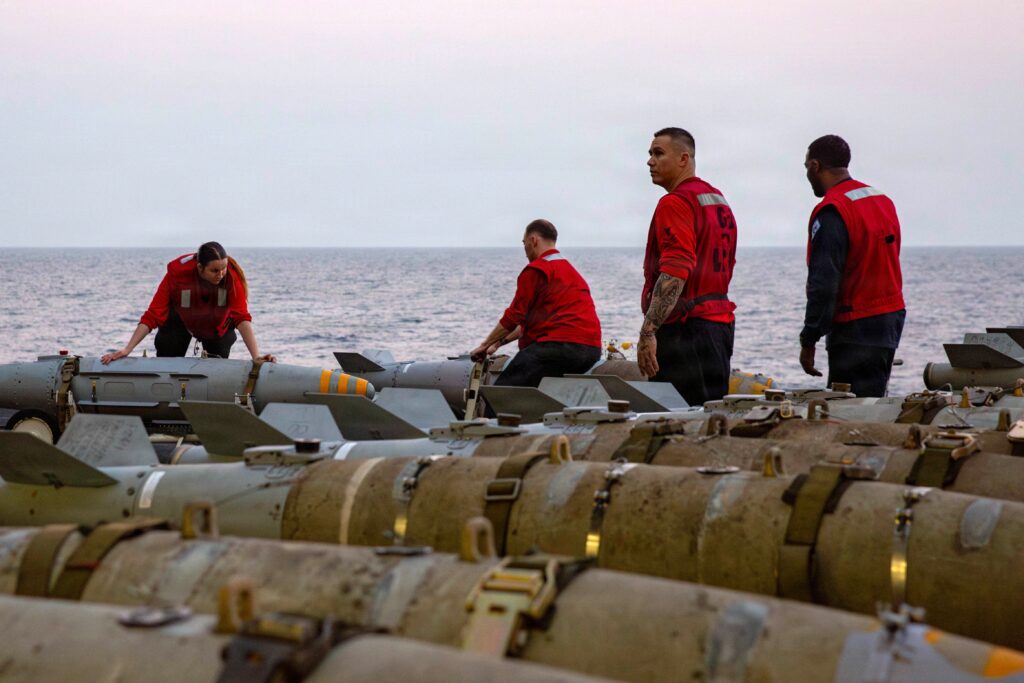
The Iran war Strait of Hormuz crisis is less about closure than collapse of confidence. Limited attacks have already slowed tanker traffic, disrupted a major share of global oil flows, and triggered knock-on effects in food, fertilizer, and inflation. What looks like a regional disruption is quickly becoming a wider system shock.
Iran War and the Hidden Crisis in Global Supply Chains

The Strait of Hormuz disruption is no longer just an energy story. It is tightening global systems that depend on steady flows of food, water, and fertilizer. As shipping slows, import-dependent regions face rising prices and shrinking supply, while fertilizer constraints begin to affect agricultural output worldwide. What appears as a regional disruption is quickly turning into a broader stress test for global stability.
Strait of Hormuz Legal Framework: Iran’s Rights and Revenue

The Strait of Hormuz legal framework sits at the heart of one of the most important debates in international maritime law. It balances coastal state sovereignty with global navigation rights. This article explains how Iran’s position is grounded in treaty law, customary law, and judicial precedent. It also explores how Iran can legally regulate passage and generate revenue through services, environmental enforcement, and port-based activities.