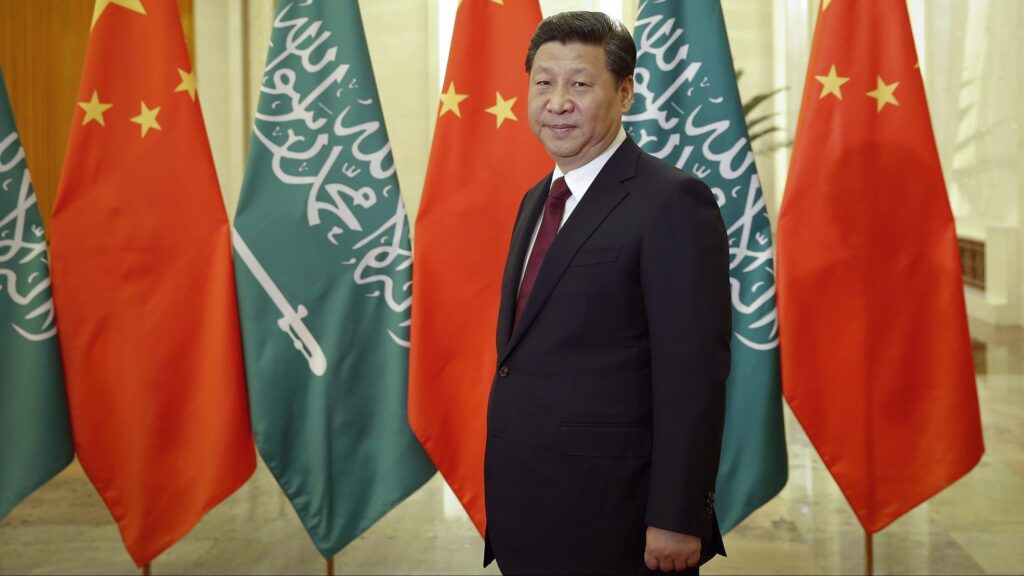
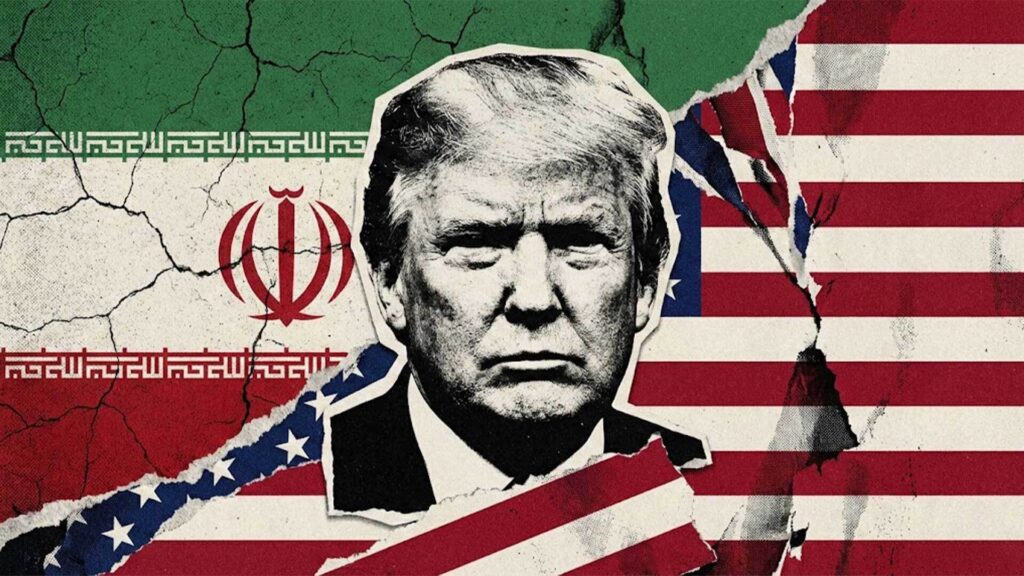
The next industrial revolution is not just about smarter factories but about geopolitics and social order. This essay argues that the shift from Industry 4.0 to Industry 5.0 is recasting industrial policy as a tool of strategic rivalry with China, climate governance, and domestic stability, as governments try to automate without hollowing out their middle classes or surrendering technological leverage.The next industrial revolution is not just about smarter factories but about geopolitics and social order. This essay argues that the shift from Industry 4.0 to Industry 5.0 is recasting industrial policy as a tool of strategic rivalry with China, climate governance, and domestic stability, as governments try to automate without hollowing out their middle classes or surrendering technological leverage.The next industrial revolution is not just about smarter factories but about geopolitics and social order. This essay argues that the shift from Industry 4.0 to Industry 5.0 is recasting industrial policy as a tool of strategic rivalry with China, climate governance, and domestic stability, as governments try to automate without hollowing out their middle classes or surrendering technological leverage.The next industrial revolution is not just about smarter factories but about geopolitics and social order. This essay argues that the shift from Industry 4.0 to Industry 5.0 is recasting industrial policy as a tool of strategic rivalry with China, climate governance, and domestic stability, as governments try to automate without hollowing out their middle classes or surrendering technological leverage.