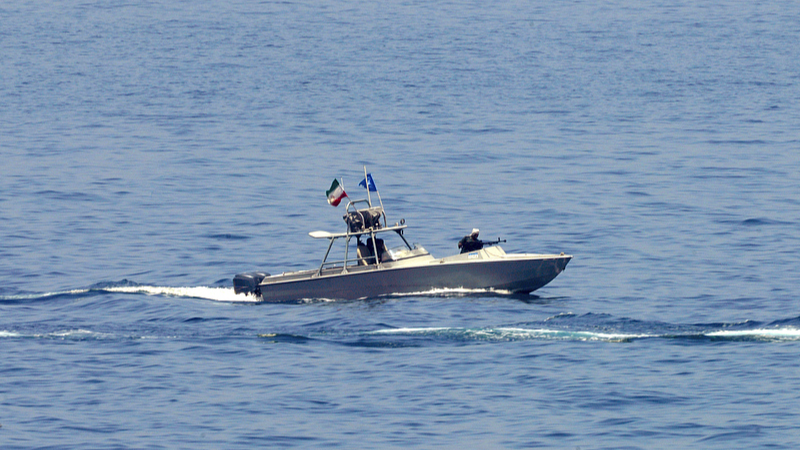
As of April 20, 2026, the central fact of the Persian Gulf crisis is not simply that the Strait of Hormuz has been contested. It is that even partial reopening has not restored normal energy flows and may not do so for a long time. Reuters reports that roughly 13 million barrels per day of oil remain stranded or disrupted, while damage to Qatar’s LNG infrastructure could take years to fully repair. That changes the problem facing import-dependent states. This is no longer only a question of coping with a temporary supply shock. It is a question of whether national energy security can continue to rest on vulnerable maritime fuel routes at all.
That shift matters because it compresses decisions that many governments had expected to spread over a decade. Before the war, the global energy system was already moving toward electrification. The IEA estimated that in 2025 around $2.2 trillion would go into renewables, grids, storage, low-emissions fuels, efficiency, and electrification, roughly double the amount directed toward oil, gas, and coal. The Hormuz crisis does not create that trend from nothing. It hardens it. Countries that cannot manufacture their way out of oil dependence overnight are now trying to insure themselves against the next blockade, the next sanction regime, or the next tanker panic. The Philippines, for example, declared a national energy emergency in March, while governments across Asia began introducing emergency measures to cushion fuel shortages and price shocks.
The strategic consequence is easy to miss if one looks only at oil prices. What the crisis is really doing is moving value and leverage away from the trade in fuel molecules and toward the systems that reduce exposure to them: solar generation, battery storage, electric mobility, high-voltage transmission, grid-balancing software, and the industrial materials that make those systems possible. In that emerging order, China is not merely well placed. It is structurally advantaged.
China’s lead is not just in finished products
Much commentary still treats China’s strength in clean energy as if it were limited to cheap solar panels or subsidized electric cars. That understates the problem. China sits at the commanding point of multiple layers of the value chain at once. Reuters recently noted that China produces more than 80 percent of global solar panel components and hosts the world’s top suppliers of solar cell manufacturing equipment. The IEA, meanwhile, has described China’s battery producers as widening their competitive advantage, and has warned that a single country is now the dominant refiner for 19 out of 20 energy-related strategic minerals, with an average market share of around 70 percent. In practical terms, this means that countries seeking to escape dependence on Middle Eastern hydrocarbons may find themselves moving into a different form of dependence centered on Chinese industrial capacity.
The point becomes clearer when one looks beyond the most visible sectors. Aluminum offers a good example. It is indispensable not only for transport and manufacturing, but also for power lines, grid equipment, lightweight vehicles, and defense-related applications. Yet aluminum supply has also been hit by the war. Reuters reports that Gulf producers such as Emirates Global Aluminium and Aluminium Bahrain have faced disruption, while the International Aluminium Institute’s production data show that China accounts for roughly three-fifths of global primary aluminum output. In the same way, the war’s disruption of sulfur exports from the Gulf is now spilling into copper and nickel refining, both essential to electrical infrastructure and battery supply chains. The lesson is straightforward: the strategic premium is no longer attached only to crude production. It is attached to the industrial ecosystems that can keep electrification moving when the old fuel system seizes up. China has more of that ecosystem than anyone else.
The real contest is over electrical infrastructure
The deeper geopolitical story is that an energy shock of this kind rewards states able to provide not just energy, but an alternative architecture of energy security. That architecture is electrical. If governments want to reduce vulnerability to chokepoints like Hormuz, they do not only need more solar panels or more EVs. They need transmission corridors, transformers, inverters, substations, storage, control systems, and the financing and engineering capacity to connect all of them. The IEA expects electricity demand to rise sharply through the next decade, while stressing that transmission networks are essential to link new generation with expanding demand centers. China has been preparing for precisely this world. Reuters reported in January that State Grid plans to invest 4 trillion yuan between 2026 and 2030, and in March that China intends to put another 15 ultra-high-voltage transmission lines into operation over the same period. Even countries wary of Chinese influence are discovering how hard such dependence is to escape: India, despite years of caution, has already eased some restrictions on imports of Chinese transmission components because domestic industrial needs made exclusion too costly.
This is why the language of an “electrostate” is increasingly useful. A petrostate derives influence from controlling hydrocarbon flows. An electrostate derives influence from controlling the hardware, minerals, standards, and networks that allow electricity-based systems to expand. The distinction matters because the second model does not replace the first overnight. It overlays it, then gradually absorbs the most strategic functions of the older order. The Hormuz crisis accelerates that overlay. States still need oil and gas in the short run, but they now have stronger incentives to spend on the infrastructure that will reduce the share of their economies exposed to fuel-route coercion in the future. The IEA’s investment data suggest that this redirection was already under way; the war has simply made it more urgent and more political.
Washington still has resources, but not the stronger strategic proposition
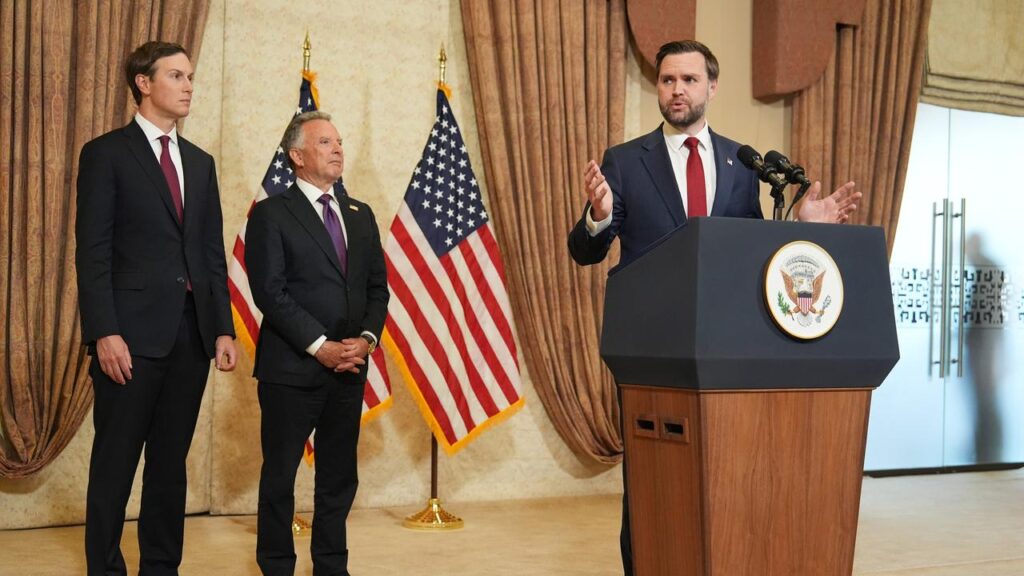
The United States is hardly absent from this picture. It remains the world’s largest LNG exporter, and Reuters reported in April that U.S. LNG exports had reached record highs as the Middle East war disrupted global supply. In a narrow commercial sense, that gives Washington an opening. But the strategic offer is thinner than it first appears. LNG can help countries bridge shortages, but it does not solve the core lesson many of them are drawing from Hormuz: exposure to maritime fuel insecurity is itself now a strategic liability. Worse, the United States is entering this period while scaling back important parts of its own clean-energy industrial policy. Reuters has reported that the Trump administration has already revoked the basis of major U.S. climate regulation, killed Biden-era tax credits aimed at accelerating electric vehicles and renewables, moved aggressively against offshore wind, and put multiple battery and other clean-energy projects under funding pressure. In other words, Washington is still strong in hydrocarbons just as the geopolitical premium is shifting toward grids, storage, advanced manufacturing, and electrical resilience.
That does not mean the post-Hormuz world will be clean, orderly, or automatically greener. Governments under stress will burn whatever they must to keep their economies running. Some will double down on coal in the near term. Others will scramble for substitute crude and gas. The damage to Qatar’s LNG system and the wider loss of confidence in Hormuz also mean that gas, once seen by many policymakers as a relatively smooth transition fuel, now carries a larger geopolitical risk premium than it did only months ago. What changes first, therefore, is not the emissions profile of the system but its strategic logic. Countries will diversify because they fear disruption, not because they have settled the climate debate.
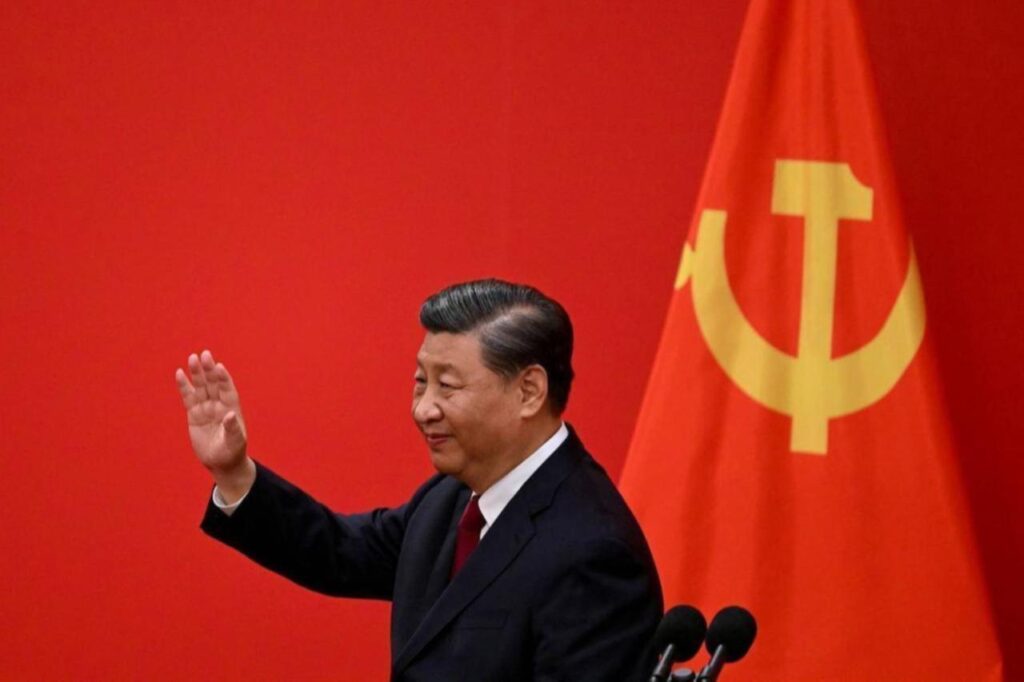
The central implication is that the Persian Gulf War is not only redistributing pain across energy markets. It is redistributing leverage across industrial systems. The countries that emerge stronger will be those able to supply the tools of electrification at scale and under pressure. At present, China is better positioned than any rival to do that. It dominates upstream refining in critical minerals, leads in key segments of solar and batteries, is investing massively in transmission infrastructure, and is building the industrial depth required to turn energy insecurity elsewhere into market dependence on Chinese-made electrical systems. That is the more durable geopolitical dividend of the Hormuz shock. It is also the harder one to reverse.