Forty-Eight Hours to Breakdown: The Narrow Path Between Ceasefire and Escalation in the U.S.–Iran Crisis
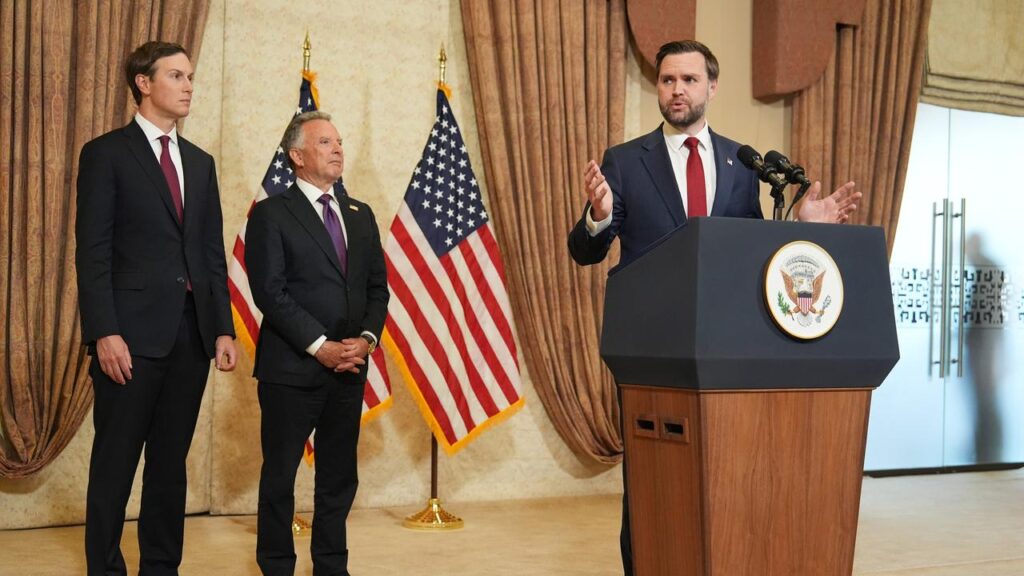
With the ceasefire hours from expiration, the real question is no longer whether tensions will rise, but whether Washington and Tehran can still avoid a controlled crisis slipping into open confrontation. As Hormuz shifts from a pressure point to a strategic asset, the space for miscalculation is rapidly closing.
AI and the Future of Critical Infrastructure Security
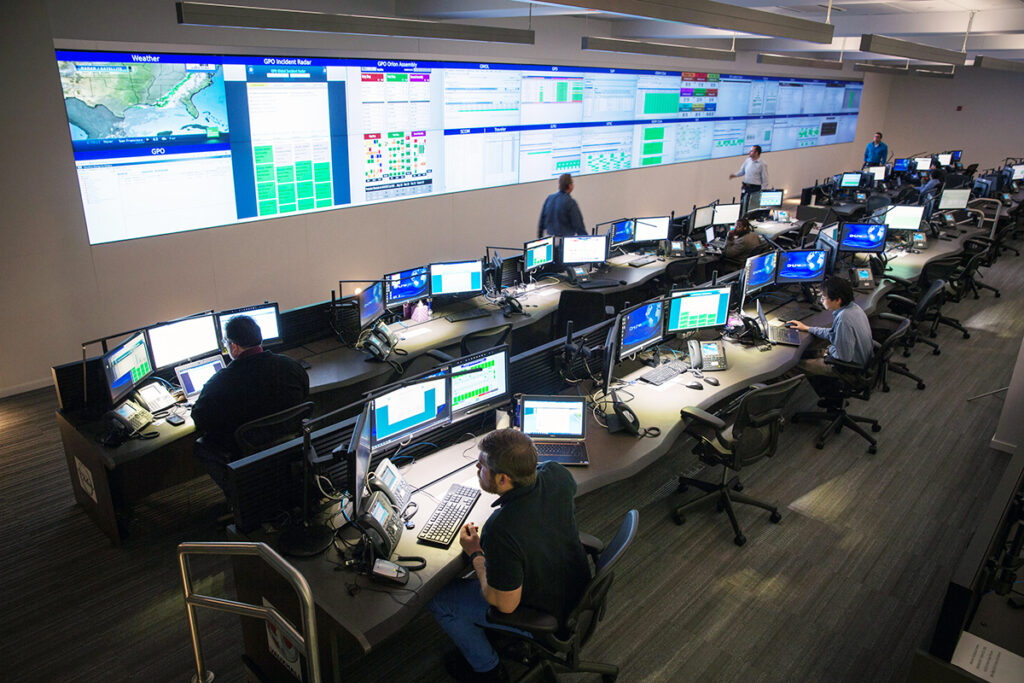
A new generation of frontier AI is changing the balance between attack and defense in cyberspace. As models begin to discover and combine unknown software vulnerabilities with increasing autonomy, the security of critical infrastructure is entering a far more dangerous phase.
The Hormuz Shock Is Reordering Energy Power
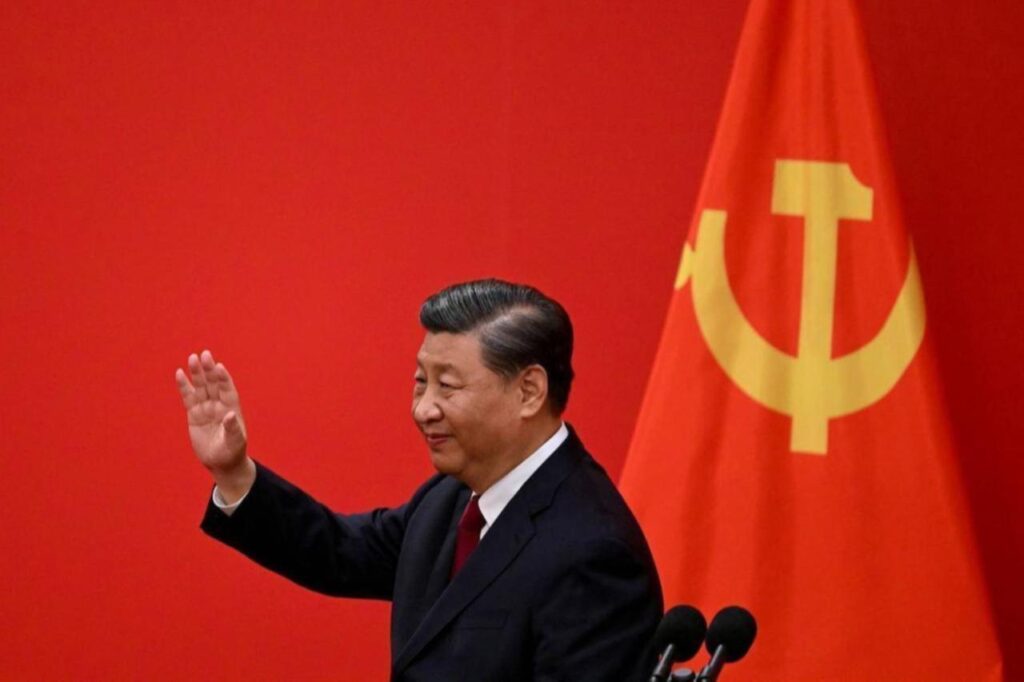
The disruption of the Strait of Hormuz is doing more than unsettling oil and gas markets. It is accelerating a strategic shift toward electrification, grid expansion, and control over the industrial systems that will shape the next energy order, where China holds a growing advantage over the United States.
French Nuclear Deterrence and Europe’s New Strategic Order
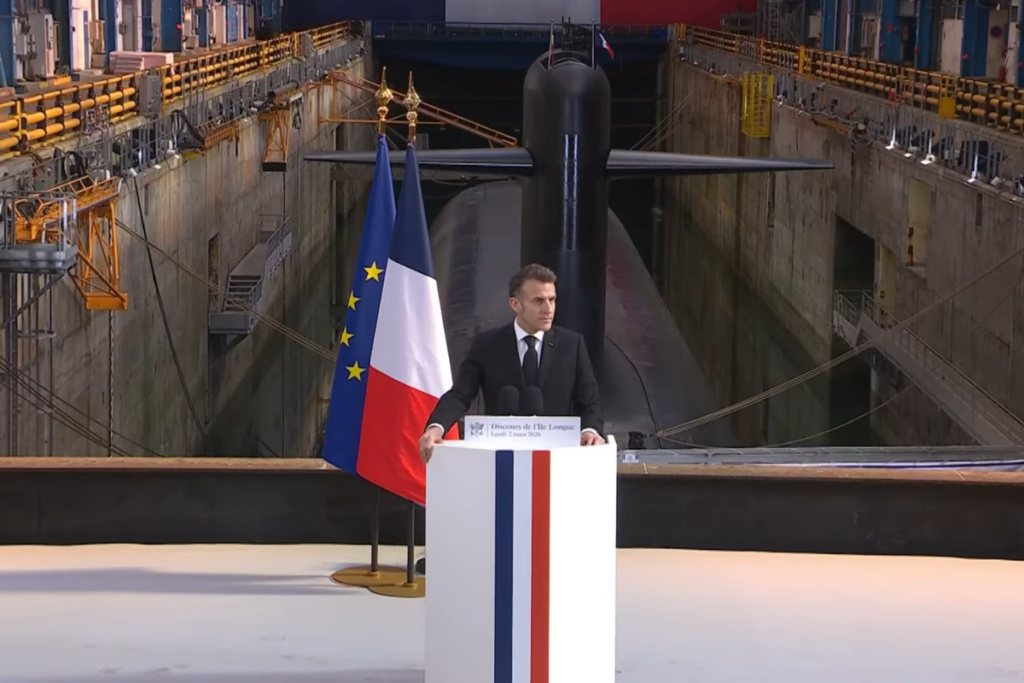
France’s 2026 nuclear speech marks a more explicit European turn in its deterrence posture without abandoning sovereign control. The shift is strategically important not because it creates a French nuclear umbrella, but because it begins to operationalize a stronger continental role for French deterrence amid Russian pressure, transatlantic uncertainty, and the need for closer conventional-nuclear coordination in Europe.
France’s Delayed Rearmament
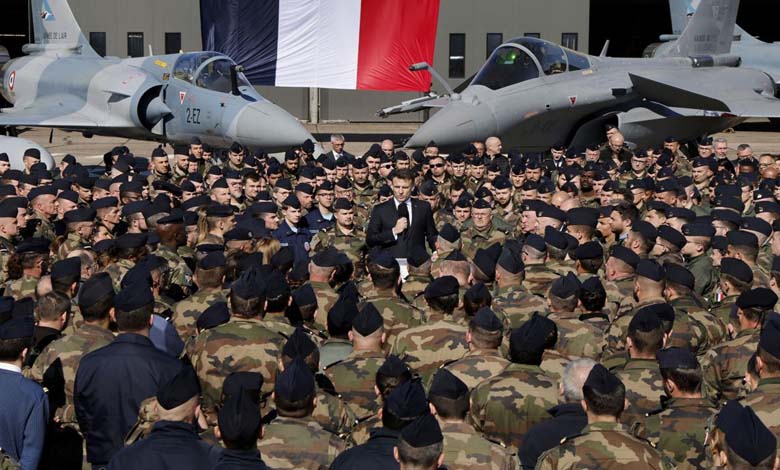
France’s 2026 update to the Military Programming Law improves the credibility of defense planning by funding capabilities that had long been under-resourced. Yet the reform is less a strategic break than a corrective effort: it strengthens coherence, readiness, and legal preparedness without fully resolving the deeper mismatch between France’s force model and the demands of a possible high-intensity European conflict. The result is a more honest defense posture, but not yet one fully aligned with the scale, tempo, and risks of the emerging security environment.
The Hidden Security Costs of the U.S.-Iran War
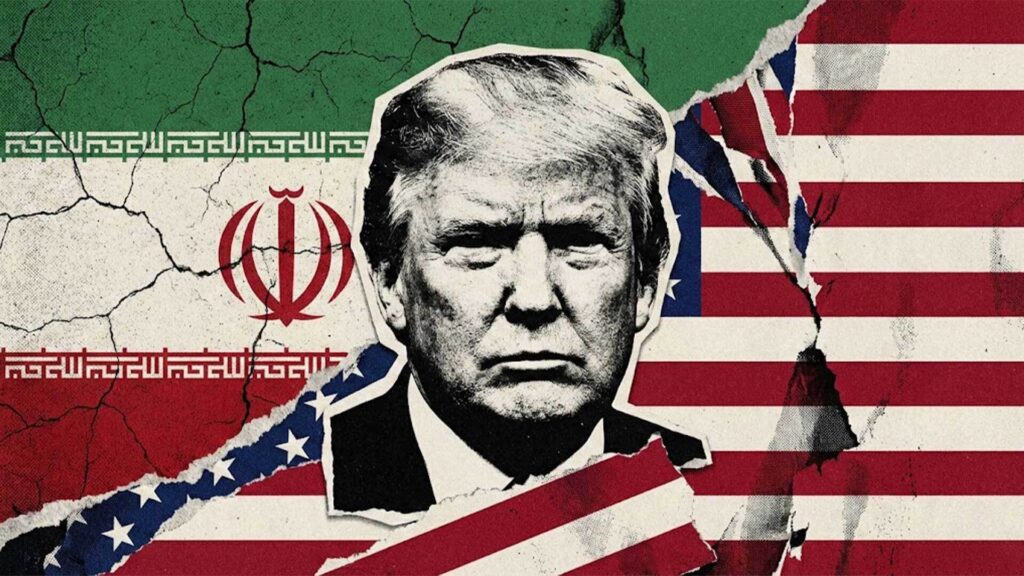
The ceasefire between the United States and Iran has paused open hostilities, but it has not restored stability. The deeper effects of the war are already spreading across cyber space, maritime routes, critical infrastructure, alliance politics, and regional deterrence. As confrontation shifts from conventional battlefields into civilian systems and deniable forms of coercion, the conflict is entering a more fragmented and dangerous phase.