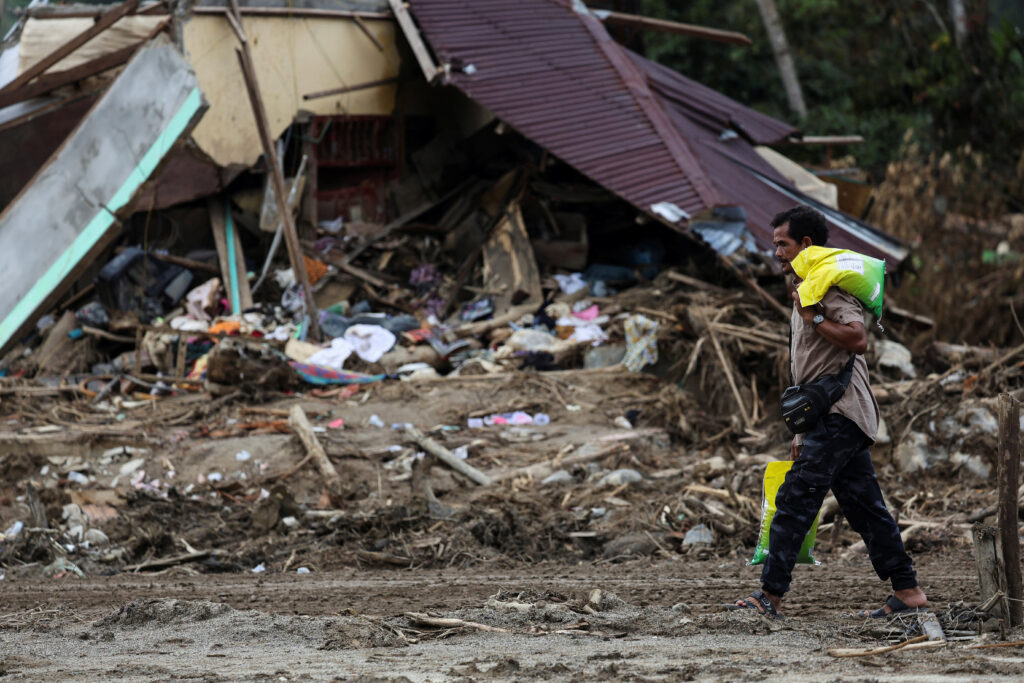
The environmental landscape of 2026 is defined not only by ecological stress but also by political hesitation. Climate change, biodiversity collapse, resource depletion, pollution, and technological expansion are unfolding simultaneously, yet the global governance architecture intended to manage them remains fragmented and contested. What makes the present moment particularly consequential is the widening distance between scientific clarity and political execution. Environmental degradation has become inseparable from geopolitical rivalry, domestic polarization, economic insecurity, and strategic competition among major powers.
Global warming remains the central structural force shaping planetary instability. The past decade ranks as the warmest on record, and concentrations of carbon dioxide, methane, and nitrous oxide continue to rise. The persistence of these gases in the atmosphere ensures that warming will continue even under aggressive mitigation scenarios. Extreme heatwaves, prolonged droughts, intensified cyclones, and accelerated glacial melt are no longer anomalies but recurring features of the global climate system. Sea levels are rising at rates that threaten densely populated coastal zones, particularly in South and Southeast Asia, parts of West Africa, and small island states. These developments directly undermine economic development, public health, infrastructure stability, and food production.
Yet climate policy has become increasingly politicized. In several advanced economies, environmental regulation is tied to partisan identity. Electoral shifts can reverse climate commitments, withdraw from international agreements, or reauthorize fossil fuel expansion. This volatility weakens global confidence in long term cooperation. Multilateral climate negotiations struggle to produce binding commitments on fossil fuel phaseout or financial transfers to vulnerable states. The influence of hydrocarbon exporters and domestic industry lobbies continues to shape outcomes. As a result, global climate governance suffers from a credibility deficit, with ambitious declarations often accompanied by expanding extraction.
Biodiversity loss presents a parallel structural crisis. Deforestation in the Amazon, Congo Basin, and Southeast Asia continues despite international pledges. Agricultural expansion, illegal logging, mining, and infrastructure corridors erode habitats at scale. Species extinction rates far exceed historical baselines, disrupting ecological systems that underpin food security, water cycles, and carbon sequestration. Although governments have endorsed the target of protecting thirty percent of land and marine areas by 2030, implementation remains uneven and underfunded. Conservation commitments frequently collide with domestic economic pressures, particularly in resource dependent economies.
Marine ecosystems face escalating pressure from overfishing, plastic pollution, and ocean acidification. Fisheries sustain billions of people, yet many commercial stocks are exploited beyond biologically sustainable levels. Harmful subsidies distort incentives and encourage depletion. Plastic production has expanded dramatically over the past decades, while global recycling rates remain low. Negotiations toward a binding international plastics treaty have stalled amid disagreements between producer states and those advocating production caps. Meanwhile microplastics have been detected in marine organisms, freshwater systems, and human tissue, raising long term public health concerns.
Agriculture lies at the intersection of climate change, deforestation, water depletion, and food insecurity. Industrial farming practices contribute substantially to greenhouse gas emissions through fertilizer use, livestock production, and land conversion. Large portions of arable land are devoted to cattle ranching despite its relatively modest contribution to global caloric intake. Soil degradation affects a significant share of the planet’s productive land, reducing resilience and increasing vulnerability to erosion and desertification. At the same time, global food waste accounts for a substantial share of emissions. The contradiction between rising hunger in parts of the world and massive food loss elsewhere reflects systemic inefficiency rather than absolute scarcity.
Air pollution remains a persistent public health emergency. Rapid urbanization, coal-based power generation, industrial emissions, and transport congestion expose millions to unsafe levels of particulate matter. In many developing regions, weak regulatory enforcement and limited monitoring capacity hinder effective intervention. Air quality therefore illustrates the broader governance challenge: environmental harm often transcends borders while policy authority remains nationally constrained.
The politics of energy transition introduce additional complexity. The rapid expansion of artificial intelligence and digital infrastructure requires significant energy and water resources. Data centers, semiconductor manufacturing, and cloud computing rely on electricity grids that in many regions remain carbon intensive. At the same time, the shift toward renewable energy technologies increases demand for critical minerals such as cobalt and lithium. Mining operations, particularly in parts of Central Africa and Latin America, raise concerns regarding labor exploitation, environmental contamination, and geopolitical competition. The transition away from fossil fuels thus creates new supply chain vulnerabilities and governance dilemmas.
Water insecurity further illustrates the convergence of environmental stress and geopolitical tension. Glacier retreat, erratic rainfall patterns, and over extraction strain freshwater availability in regions already marked by political fragility. Shared river basins such as the Nile and the Indus remain sensitive diplomatic flashpoints. Rising sea levels threaten displacement in coastal megacities, increasing the likelihood of internal migration and cross border pressure. Environmental change therefore intersects with national security and social stability.
The defining characteristic of 2026 is fragmentation. Environmental threats are planetary in scale, yet responses are filtered through national politics, fiscal constraints, and strategic rivalry. Major powers increasingly view clean technology supply chains, mineral access, and industrial policy as instruments of competition. Development finance is shaped by geopolitical alignment. Multilateral institutions face declining trust and uneven compliance.
Nevertheless, progress persists in certain domains. Renewable energy costs continue to fall. Some states have strengthened legal protections for ecosystems and recognized environmental rights within constitutional frameworks. Grassroots mobilization and youth movements maintain public attention on ecological justice. Yet incremental gains must contend with accelerating degradation.
The environmental condition of the planet in 2026 is therefore not solely a scientific matter but a political test. The decisive variable is institutional capacity and strategic coherence. Without stable policy commitments, credible multilateral coordination, and integration of ecological constraints into economic planning, environmental deterioration will continue to outpace reform. The trajectory of global development will depend less on technological feasibility than on the willingness of political systems to align long term planetary stability with short term domestic priorities.