The Political Reconstitution of U.S. National Defense
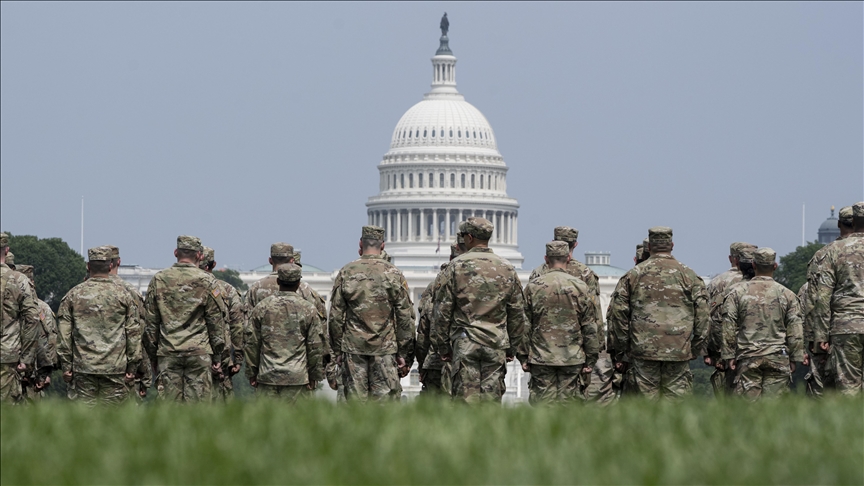
The 2026 National Defense Strategy recenters U.S. military priorities on homeland and hemispheric defense while shifting greater security responsibility to allies. Although China deterrence and nuclear modernization continue, the strategy narrows global commitments and leaves key questions about force posture and resources unresolved.
Persistent Environmental Crisis of 2026
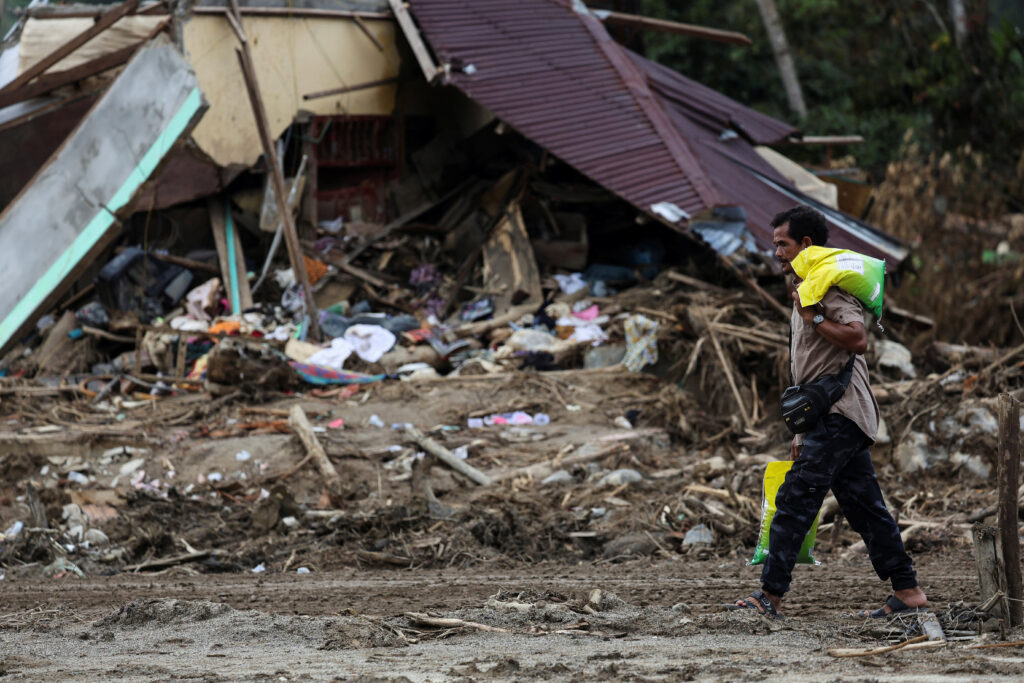
From rising sea levels to collapsing ecosystems, environmental risks are increasingly intertwined with economic security and global power competition. The decisive question is whether international cooperation can keep pace with accelerating change.
The Allies Without America

The postwar alliance system rested on the presumption of sustained American engagement. As that presumption weakens, allies confront the difficult task of redefining security in a less certain international environment.
Demographic Decline and the Reordering of Power, Development, and Sustainability

For much of the twentieth century, demographic anxiety centered on excess. Rapid population growth in Asia, Latin America, and parts of Africa was interpreted as a direct threat to economic stability, food security, and environmental sustainability. Policymakers feared that unchecked fertility would overwhelm institutions and exhaust resources. In response, governments and international organizations invested heavily […]