Japan’s New Mandate and Asia’s Search for Balance
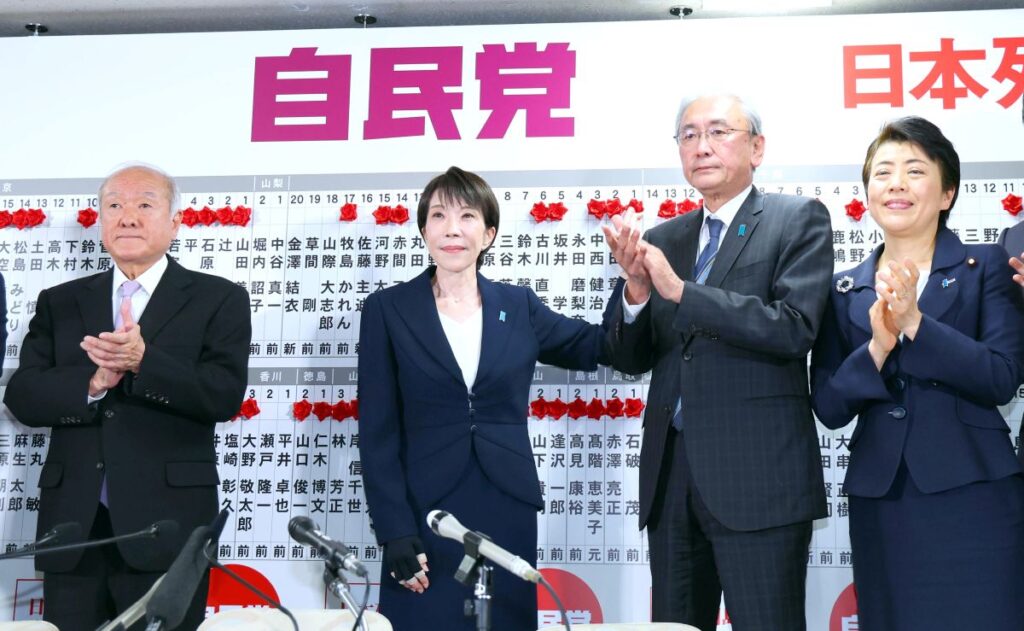
A decisive election mandate gives Tokyo rare political time to pursue domestic renewal and a more capable security posture. The central question is not whether Japan will become stronger, but what kind of strength it will project. If Japan builds economic resilience, deepens partnerships across Southeast Asia and India, and strengthens deterrence while keeping crisis-management channels open, it can expand regional autonomy and reduce exposure to coercion. If it leans into provocation and historical symbolism, it risks escalation and brittle alliances.
The Domestic Weaponization of the American State and the Strategic Costs of Political Fear
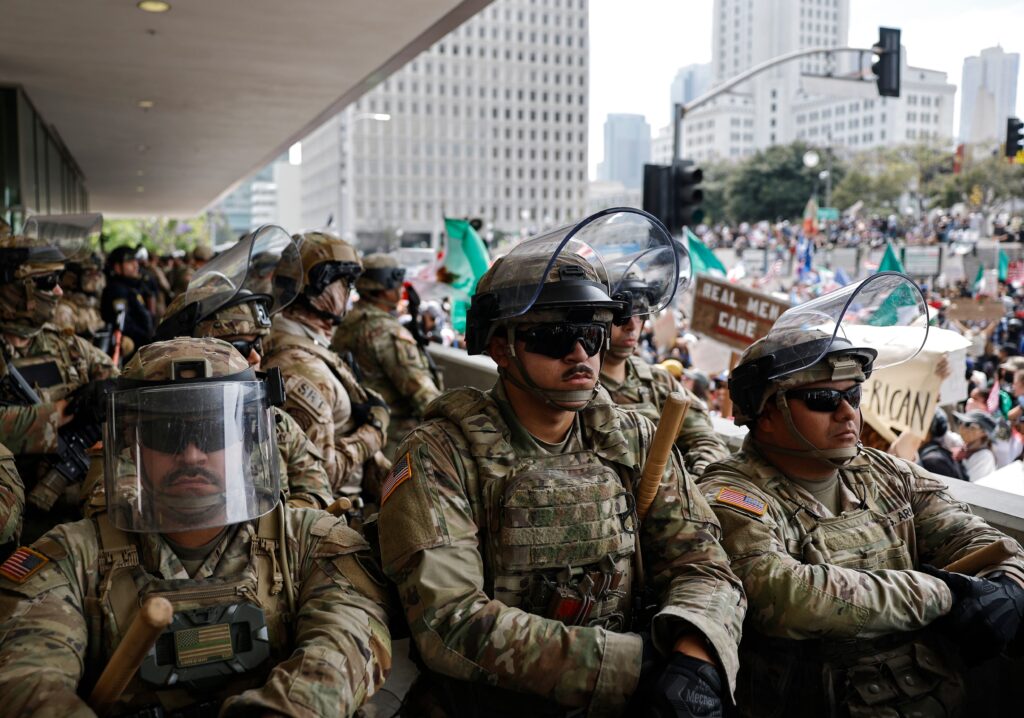
Advanced democracies can slide into competitive authoritarian practices through selective enforcement, institutional repurposing, and the quiet spread of fear, all while preserving the outward forms of constitutional order. This piece traces how intimidation reshapes media, civil society, law, and administration by raising the cost of dissent. It then connects domestic weaponization of the state to strategic consequences: degraded state capacity, volatile policy, reduced alliance confidence, and a narrower margin for effective grand strategy.
The New Politics of Industrial Readiness

Additive manufacturing is becoming a question of industrial readiness. For SMEs, the strategic value is not novelty but response: qualified parts, faster redesign, and digitally managed spares. The payoff depends on certification pathways, post-processing capacity, and secure control of files and process data.